1 pack = 1 tree · Be the Change · Eden Reforestation
One pack – one tree
With every NussFee product, you plant a tree
We love the idea that for every NussFee product you buy from us, a tree grows somewhere in the world. That’s why D’NussFee is an official partner of the nonprofit organization “Be the Change” and supports the “Trees for Change” project.
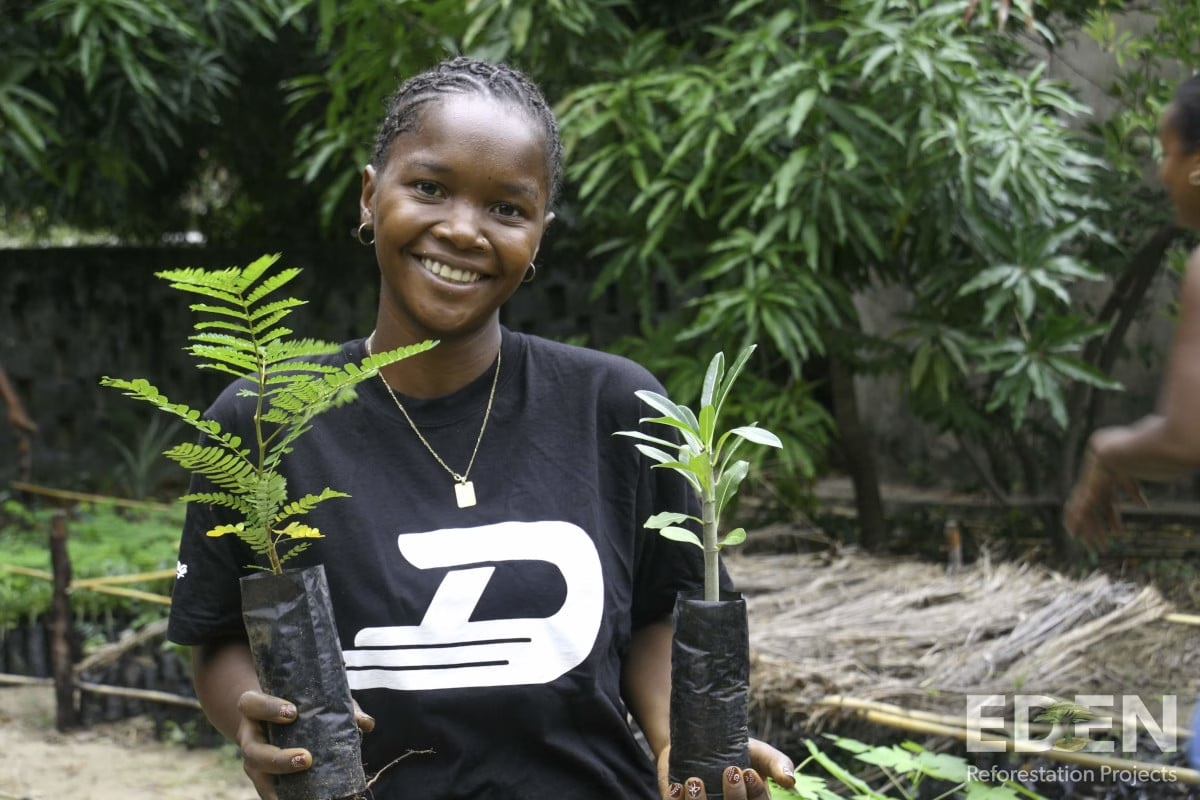
This means that with every purchase, you’re actively doing something to help nature and people. Deforested areas are being reforested—and local people are provided with jobs and a stable income that allows them to support their families.
Thanks for helping to plant!
Why this is important to us
“When we understand that our wealth is one-dimensional and that true prosperity is multidimensional, our attitude toward issues of sustainability changes fundamentally. Sustainability then no longer means that we have to go without something, but rather that we can finally develop a way of life that meets our true needs.”
Vivian Dittmar, Founder of Be the Change / Trees for Change
Kijabe Forest, Kenya
The Eden Project in Kenya
“Trees for Change” was founded by Vivian Dittmar and Andreas Materne and manages its own land for reforestation—as part of the globally active Eden Project.
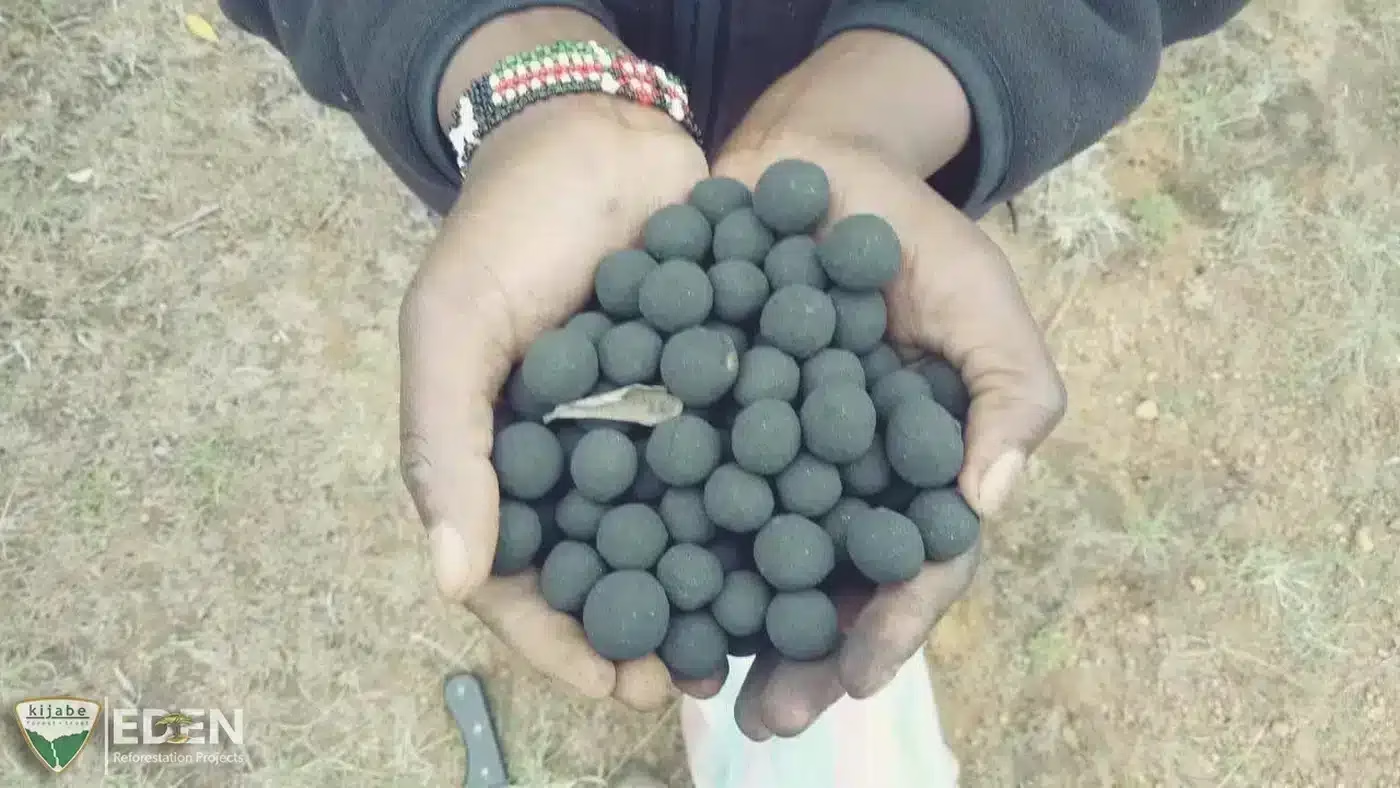
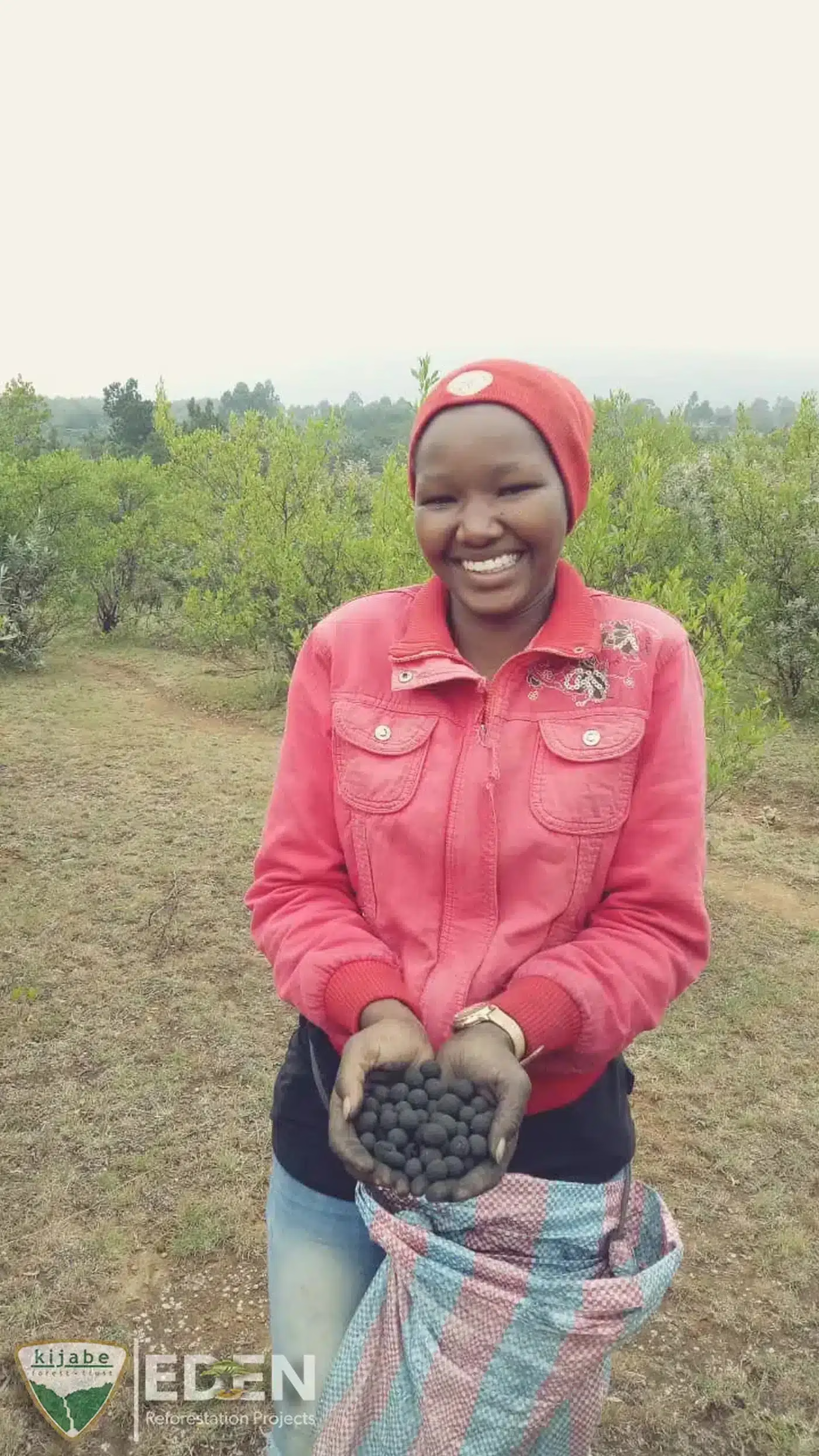
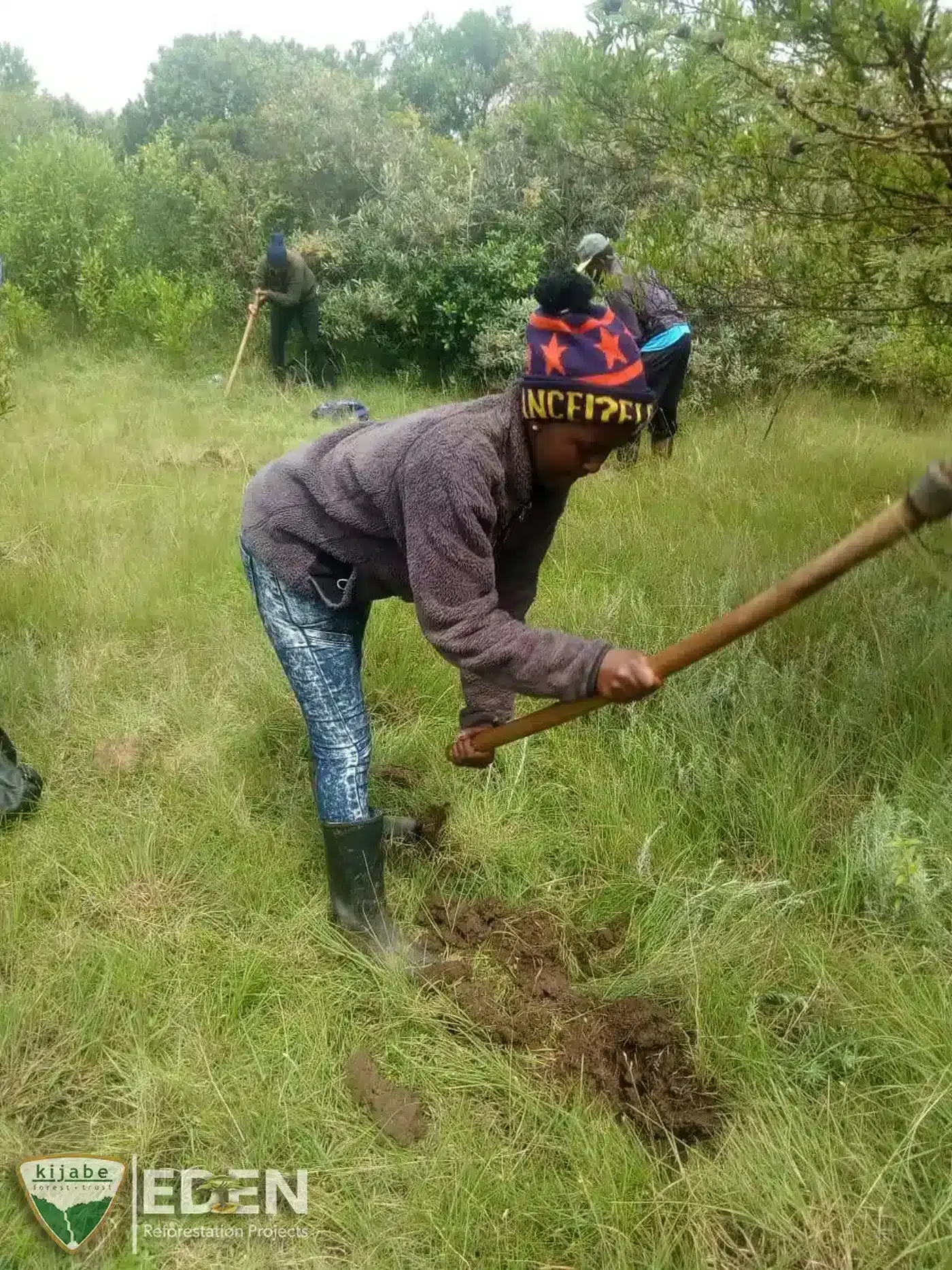
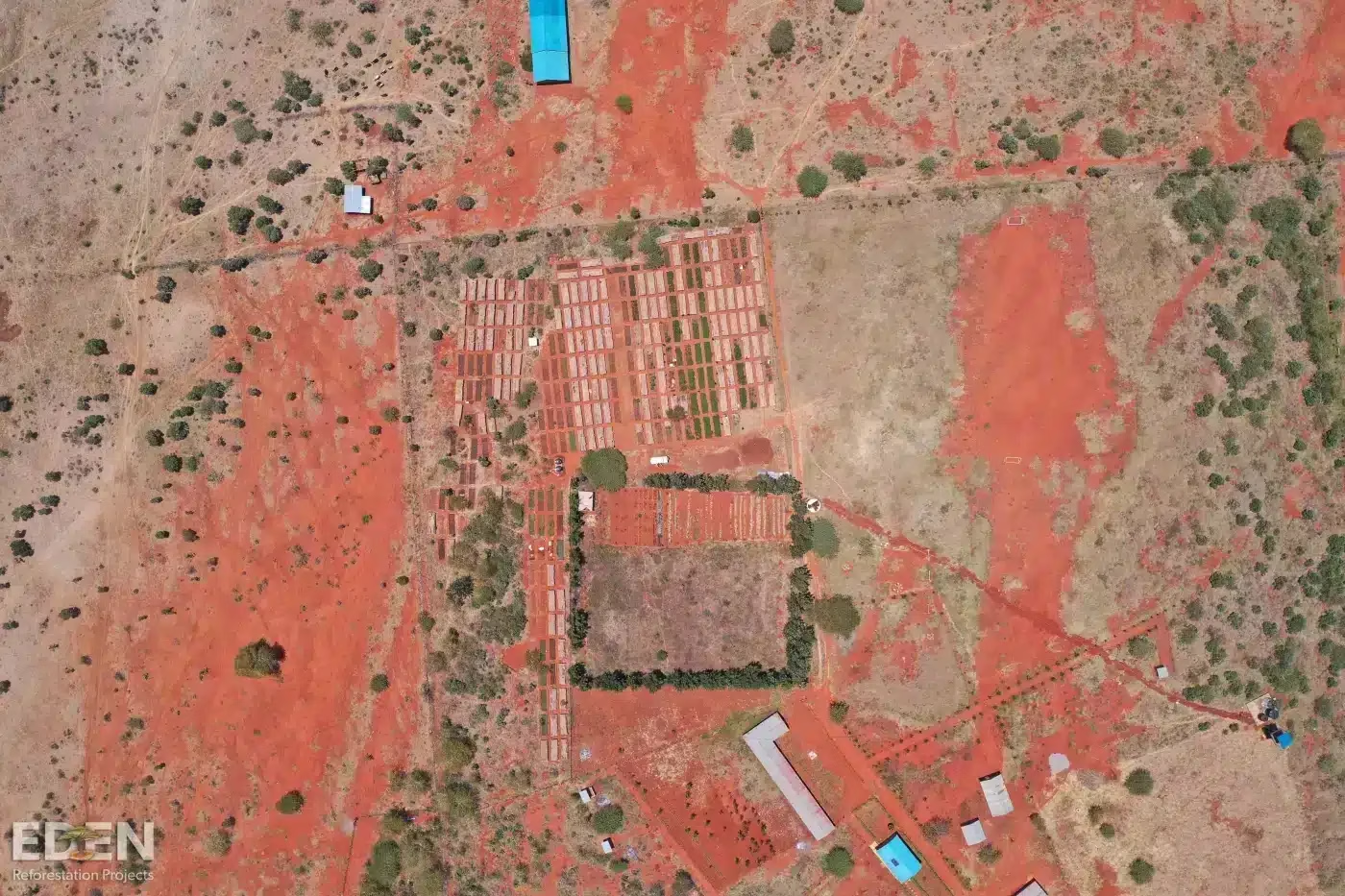
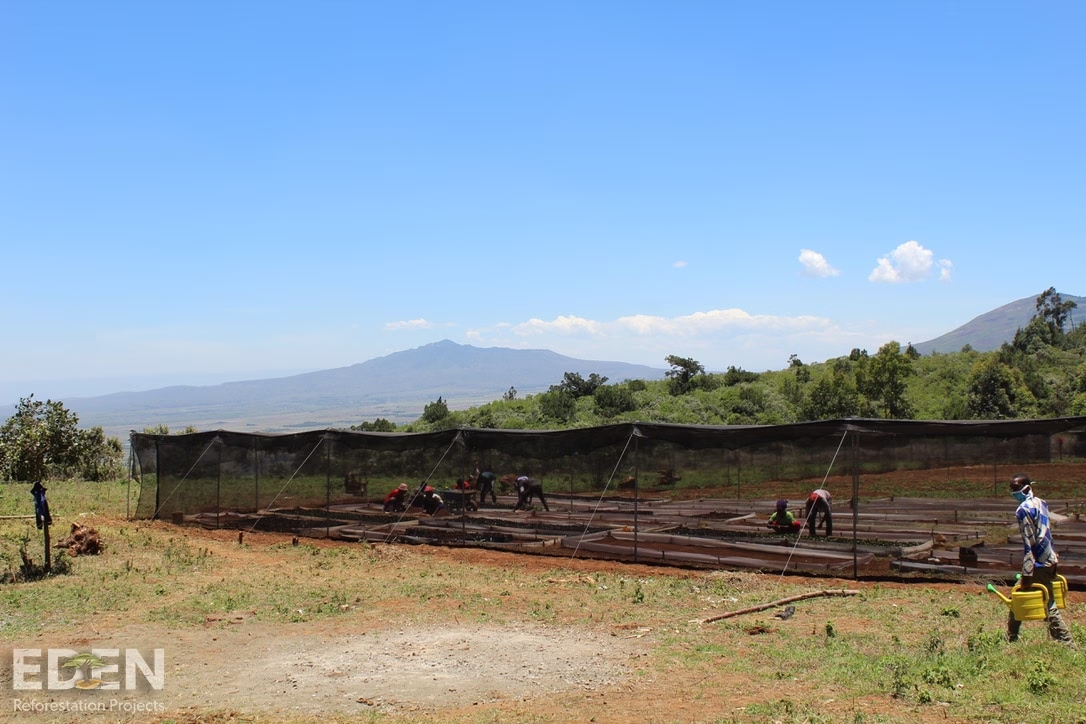
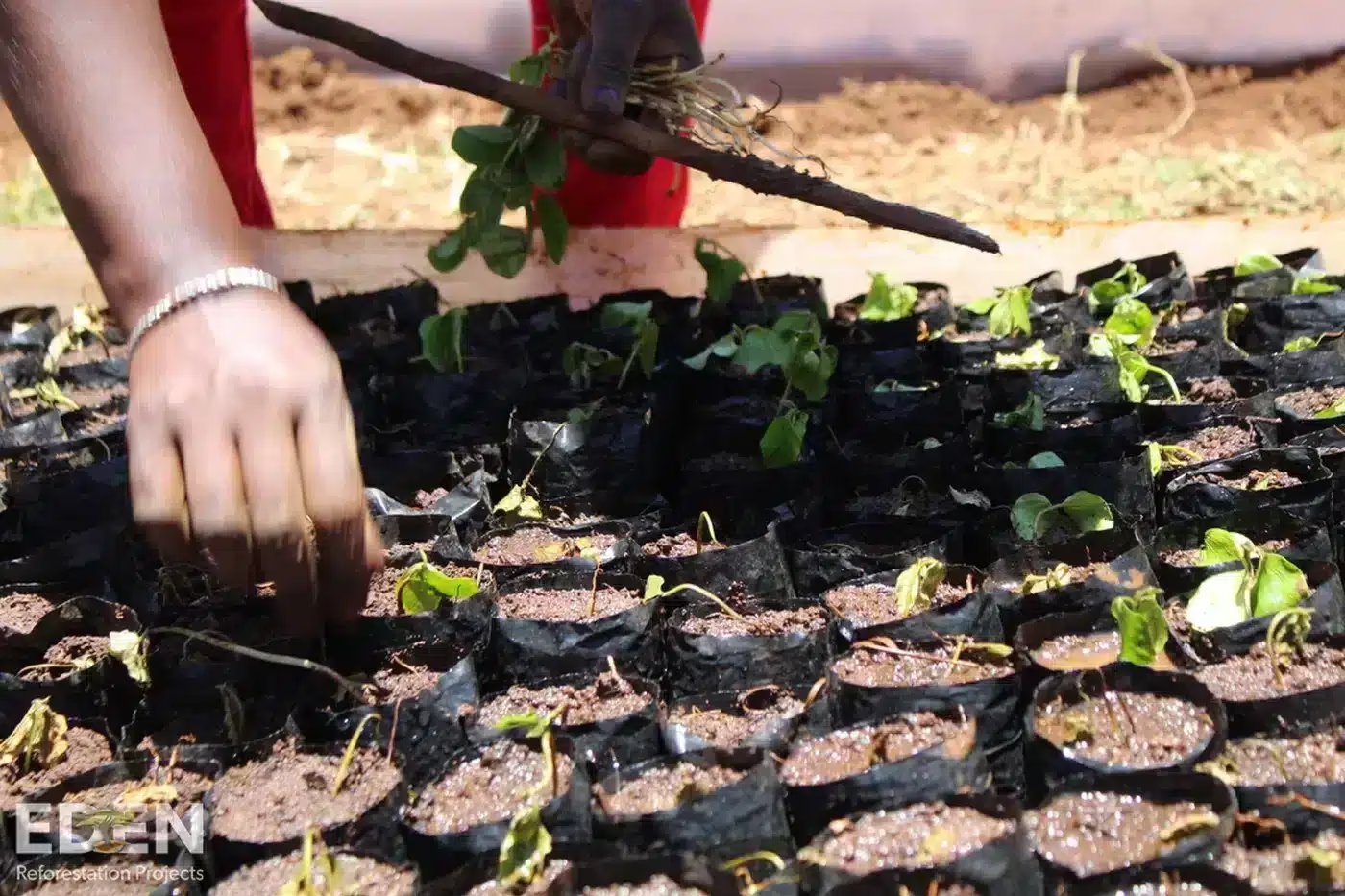
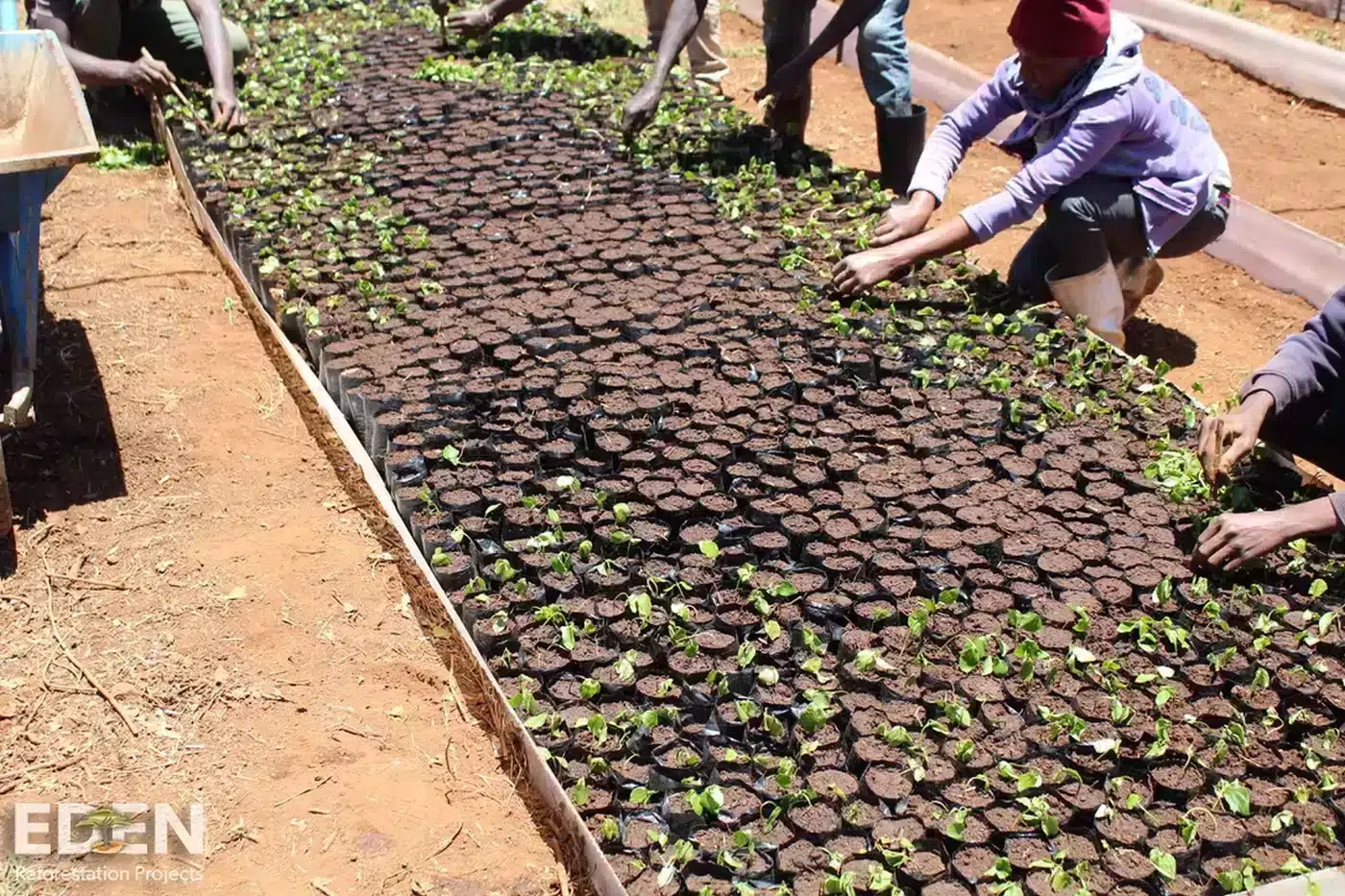
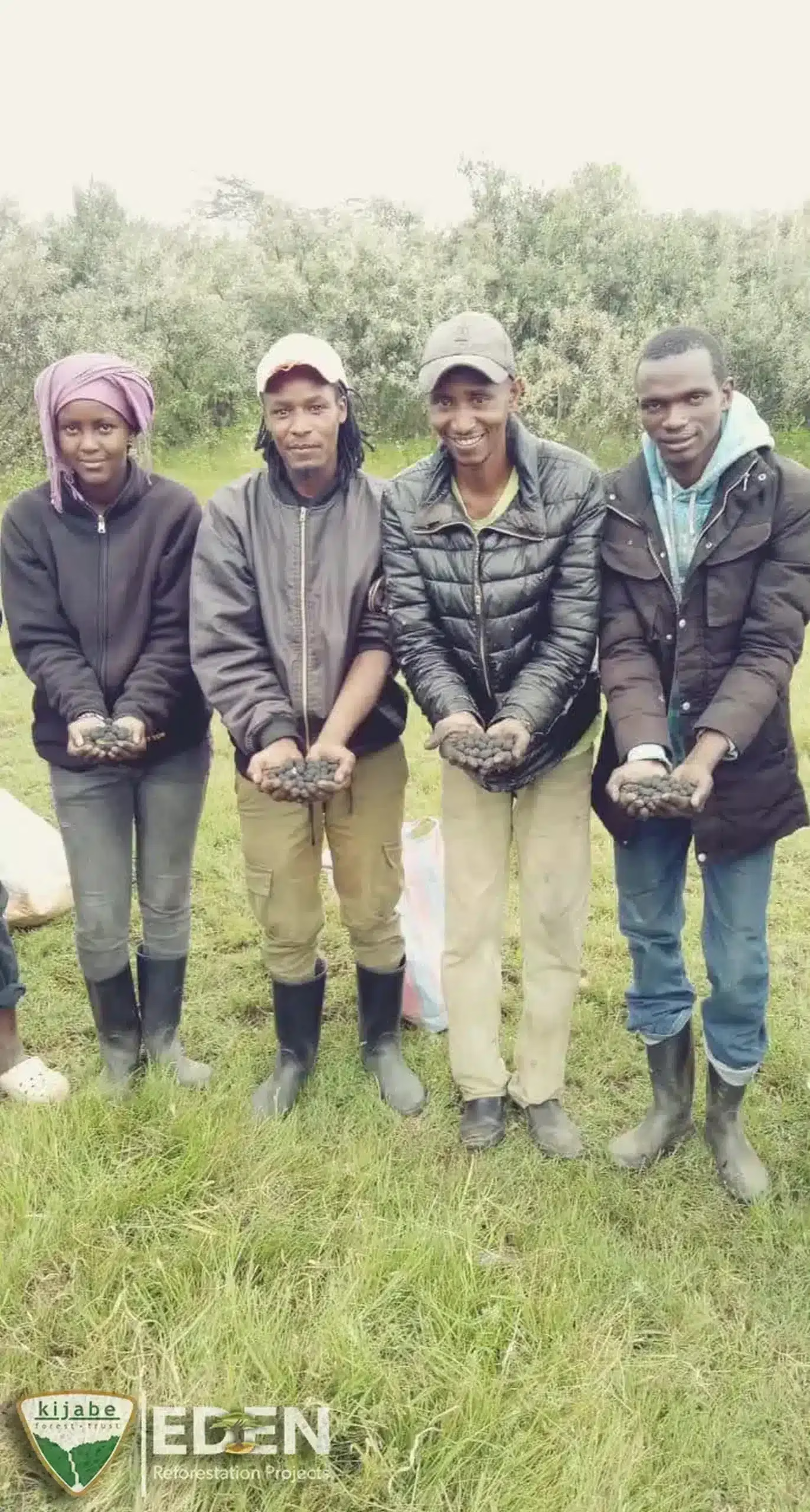
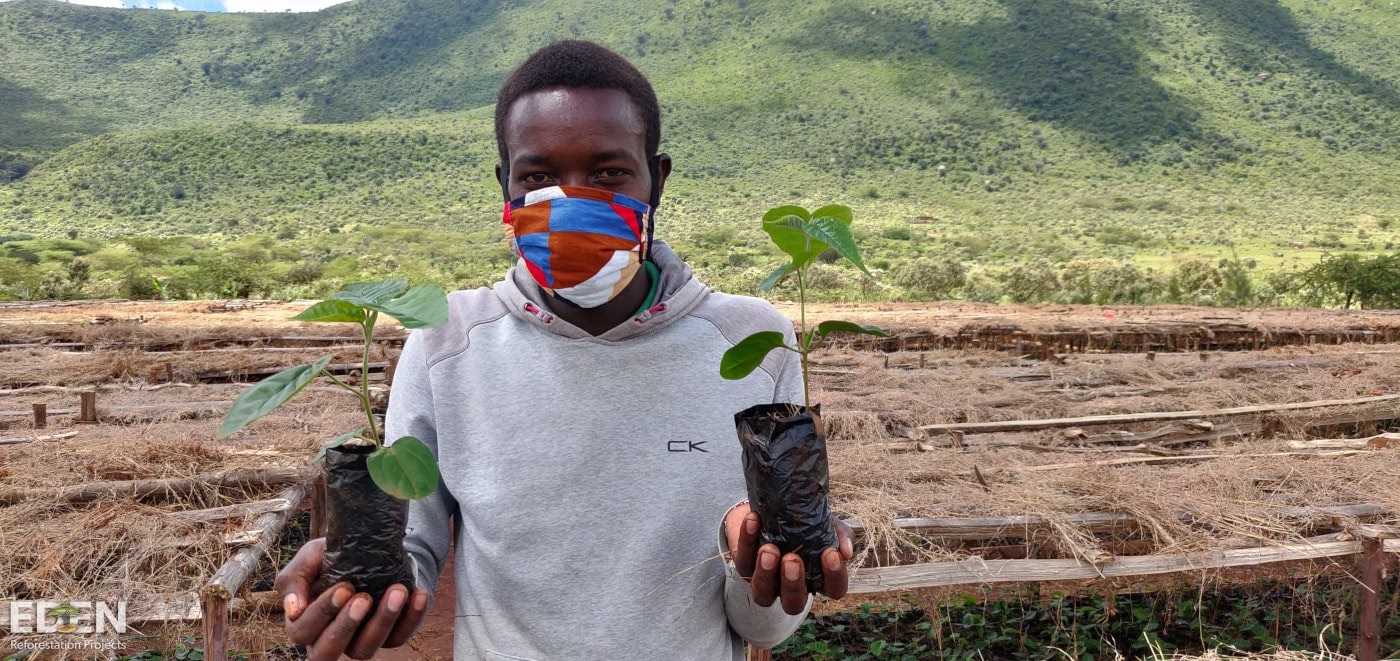
Since 2020, over 629 hectares in Kenya’s Kijabe Forest have been reforested with a mix of native tree species. Trees for Change has already planted nearly 1.5 million trees there—and we’re thrilled to support the project together with you.
Forests and People Benefit
Healing the Kijabe Forest
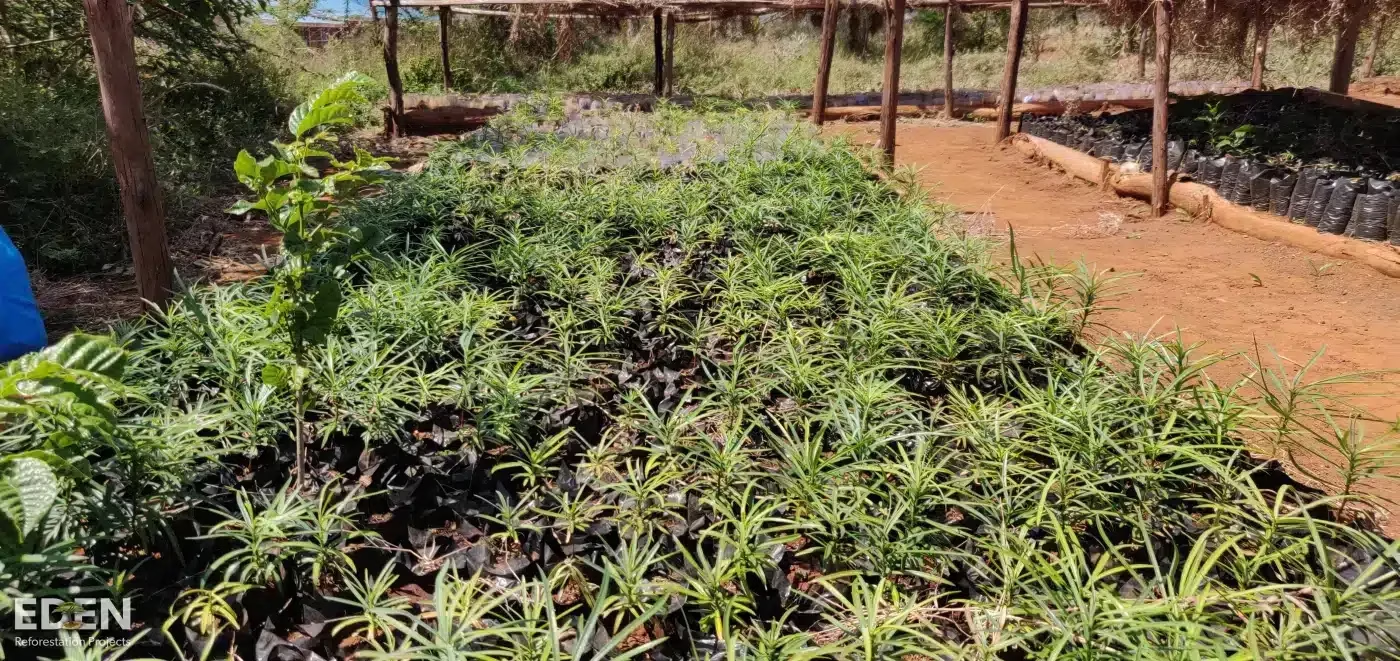
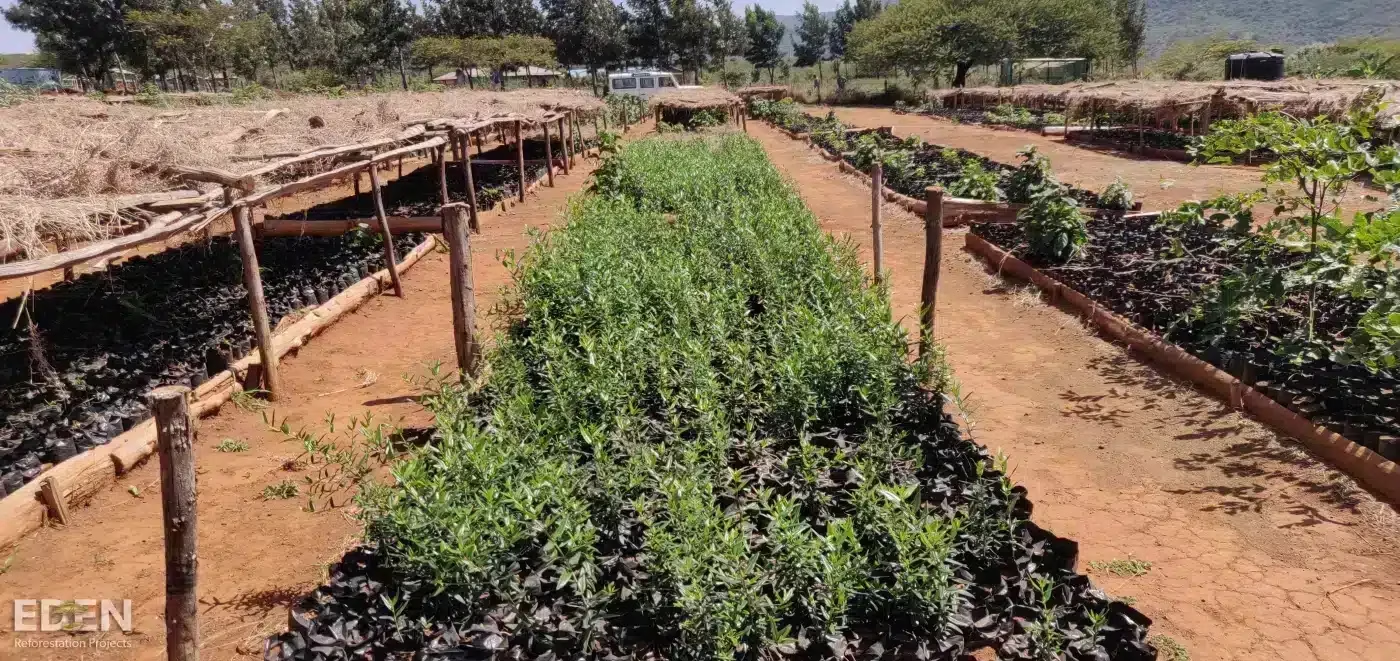
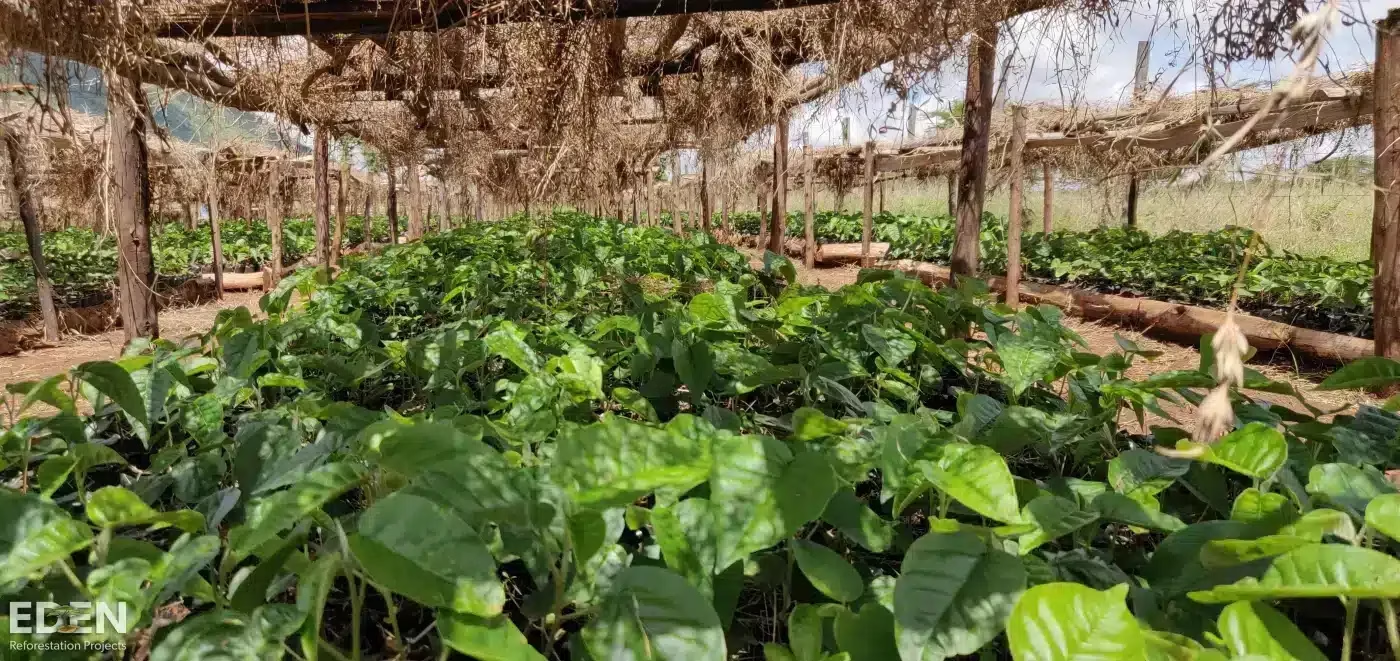
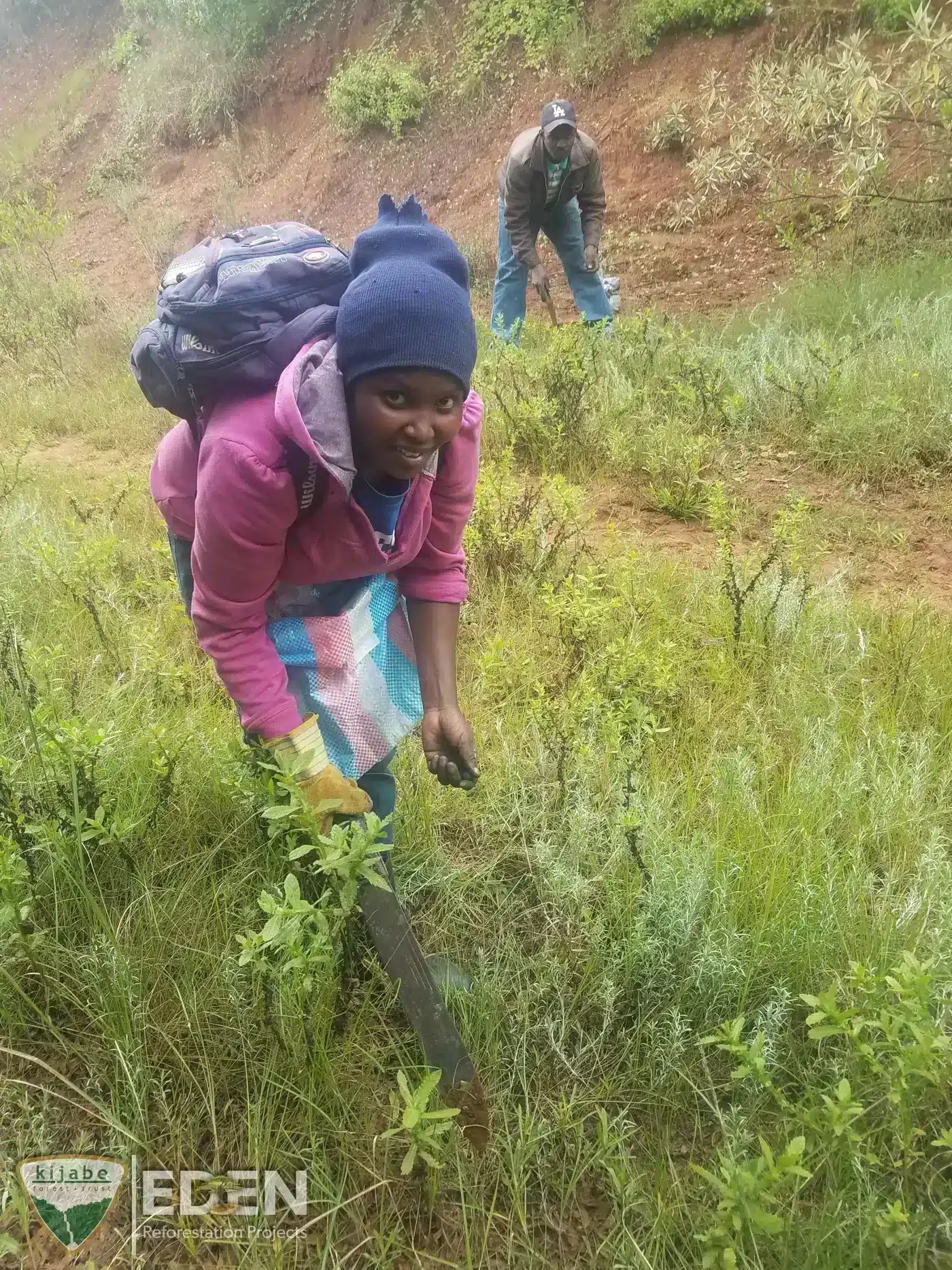
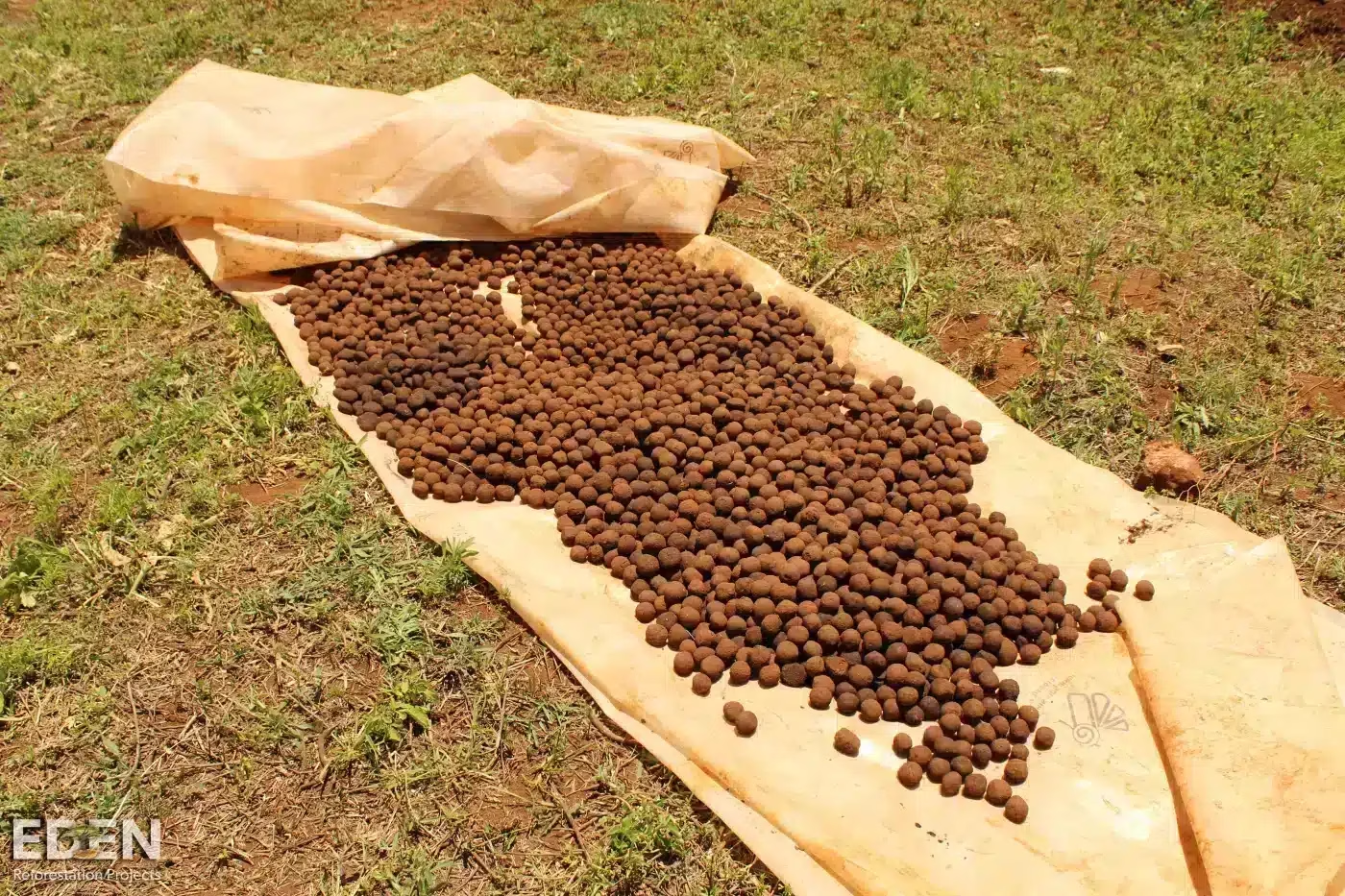
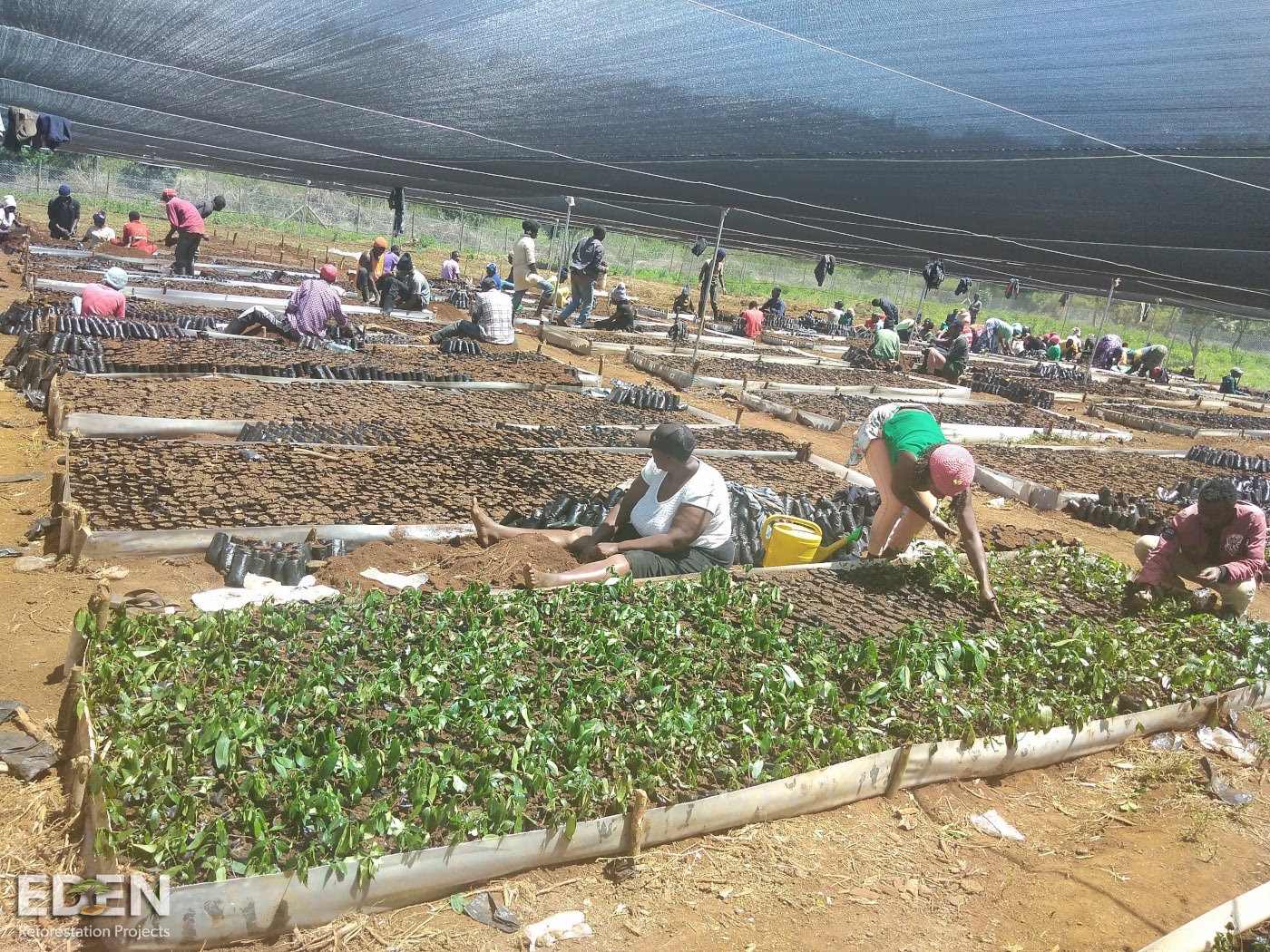
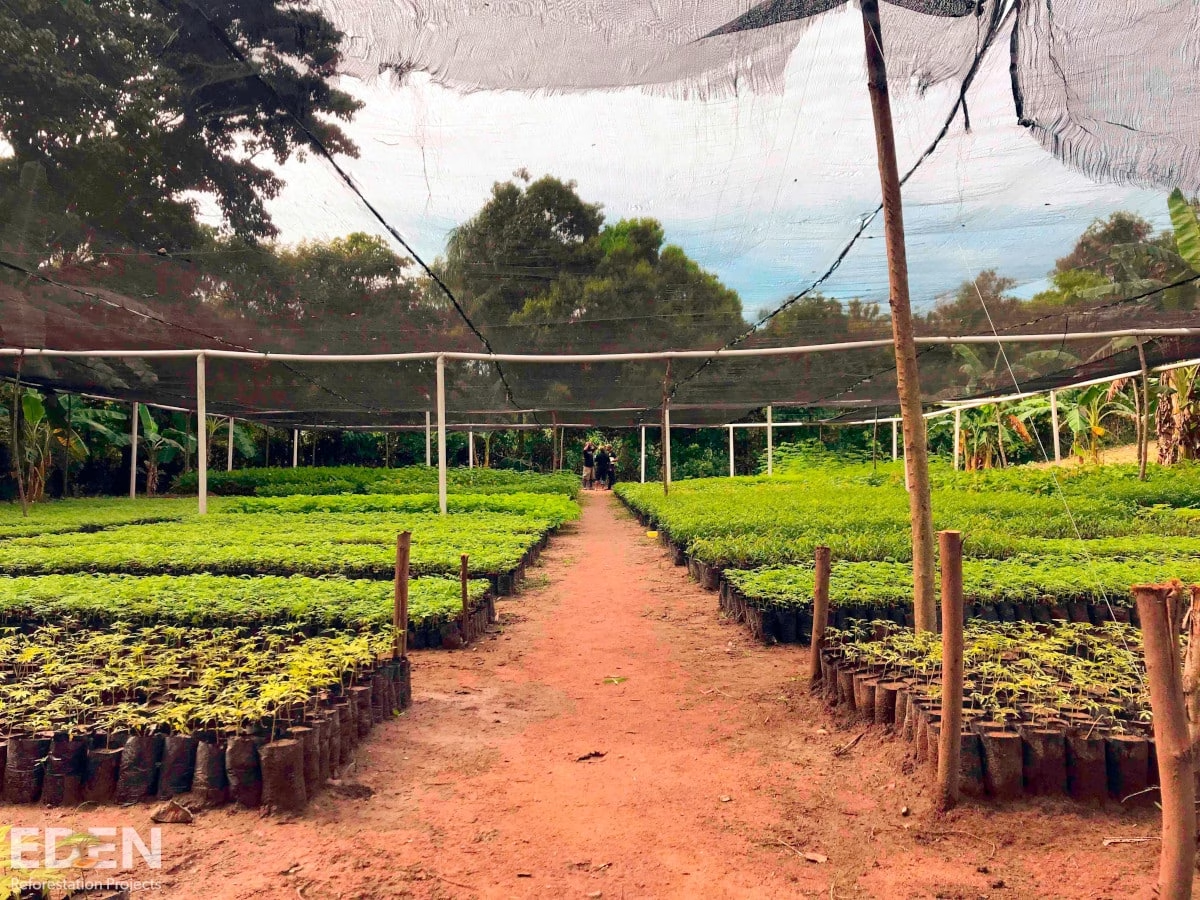
On the two large plots of land in the Kijabe Forest, at least 2.5 million additional trees of native species will be planted over the next five years—including Cape chestnut, cedar, African redwood, olive, and pear trees. The damaged secondary forests often suffer from severely eroded soil. Using the proven “Farmer-Managed Natural Regeneration” (FMNR) method, they are reforested over the course of several years through extensive manual labor.
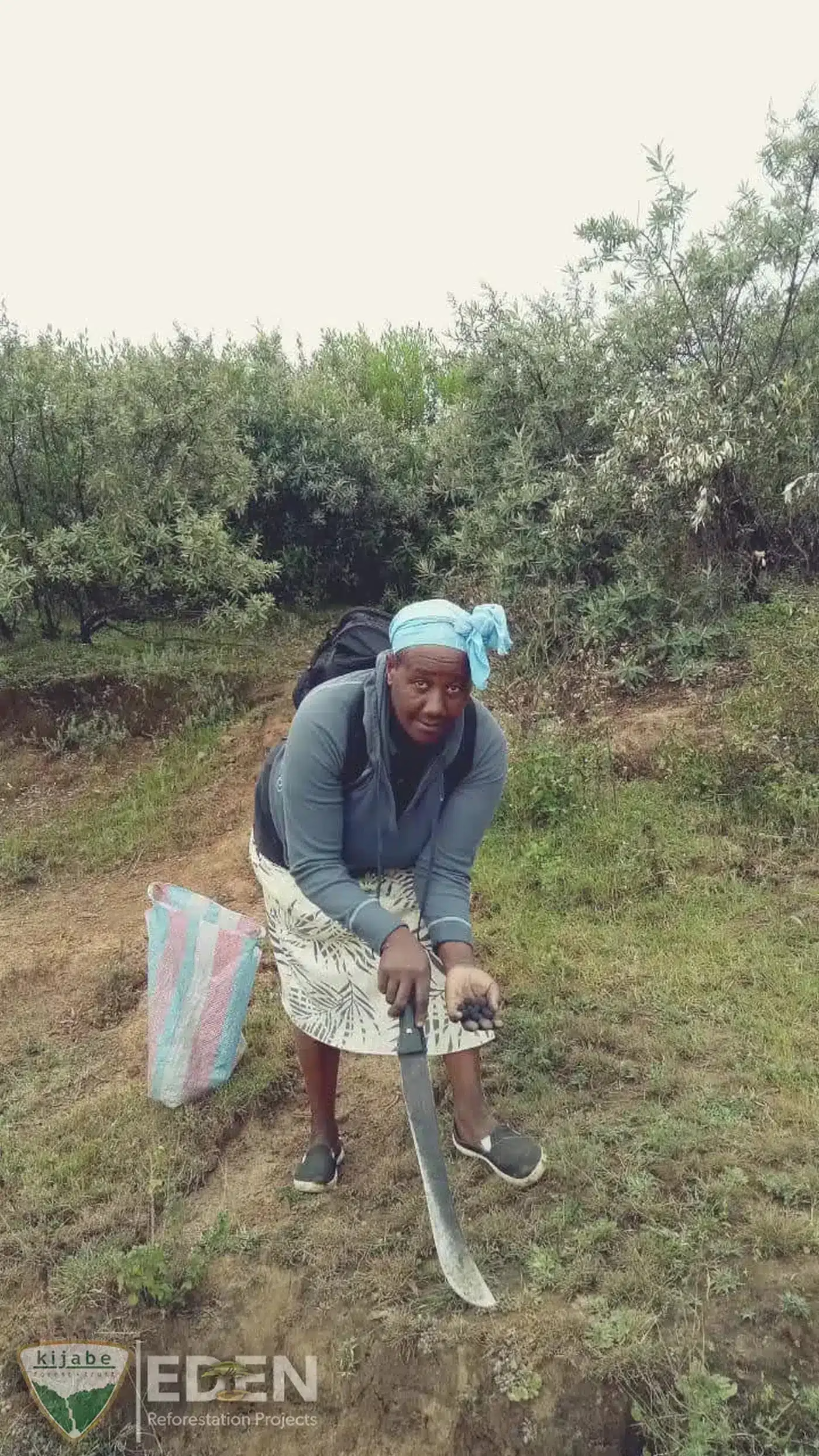
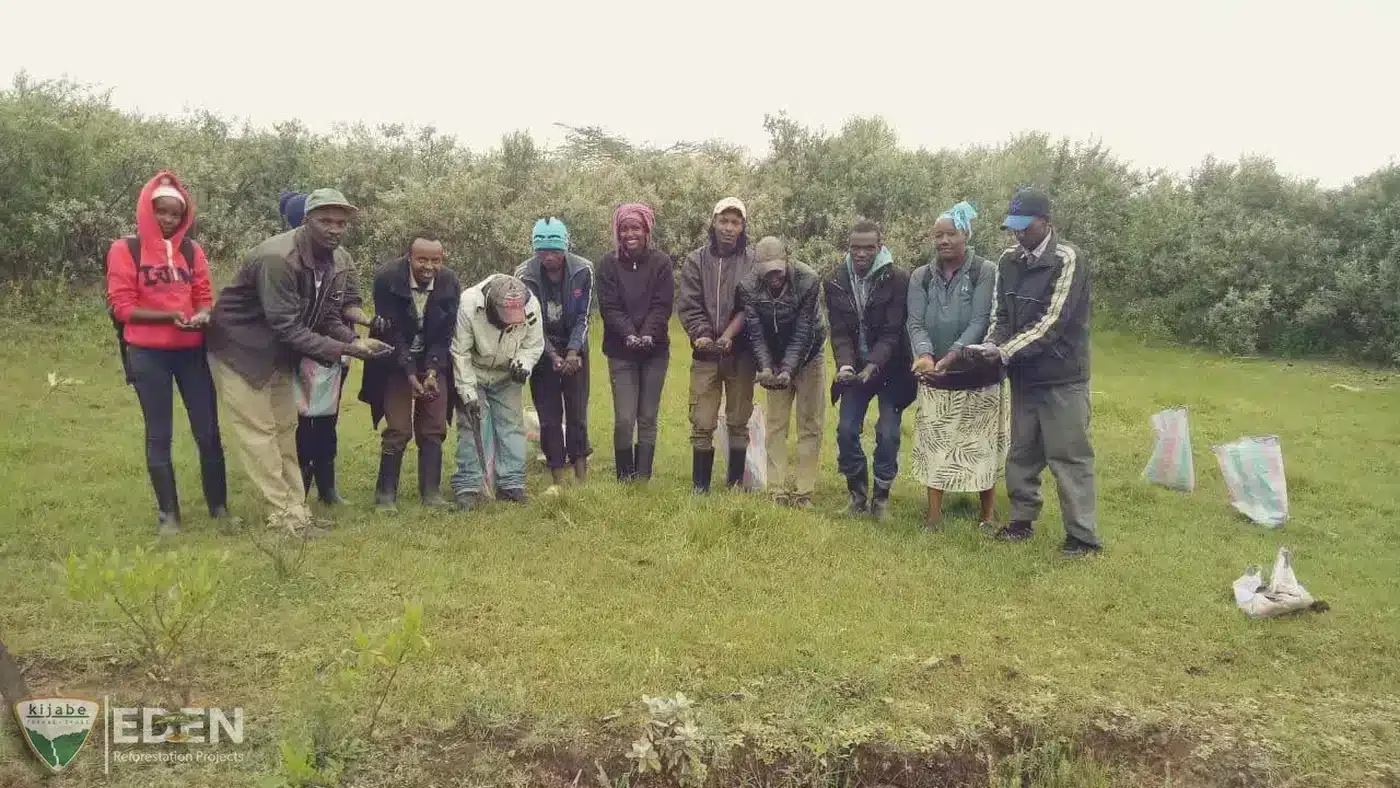
This not only helps nature, because new trees protect the soil and regulate the climate. The project also creates jobs for the often impoverished population, reduces migration to large cities, and brings life back to areas that have become barren. More than 3,500 villagers have already found meaningful and dignified jobs through the Eden Project.
Learn more in the FAQs for Trees for Change.
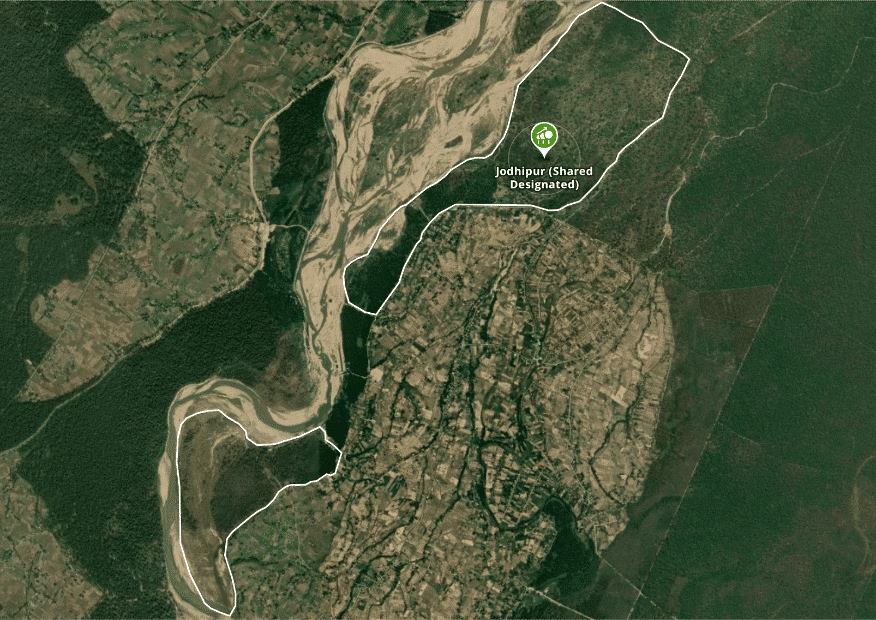
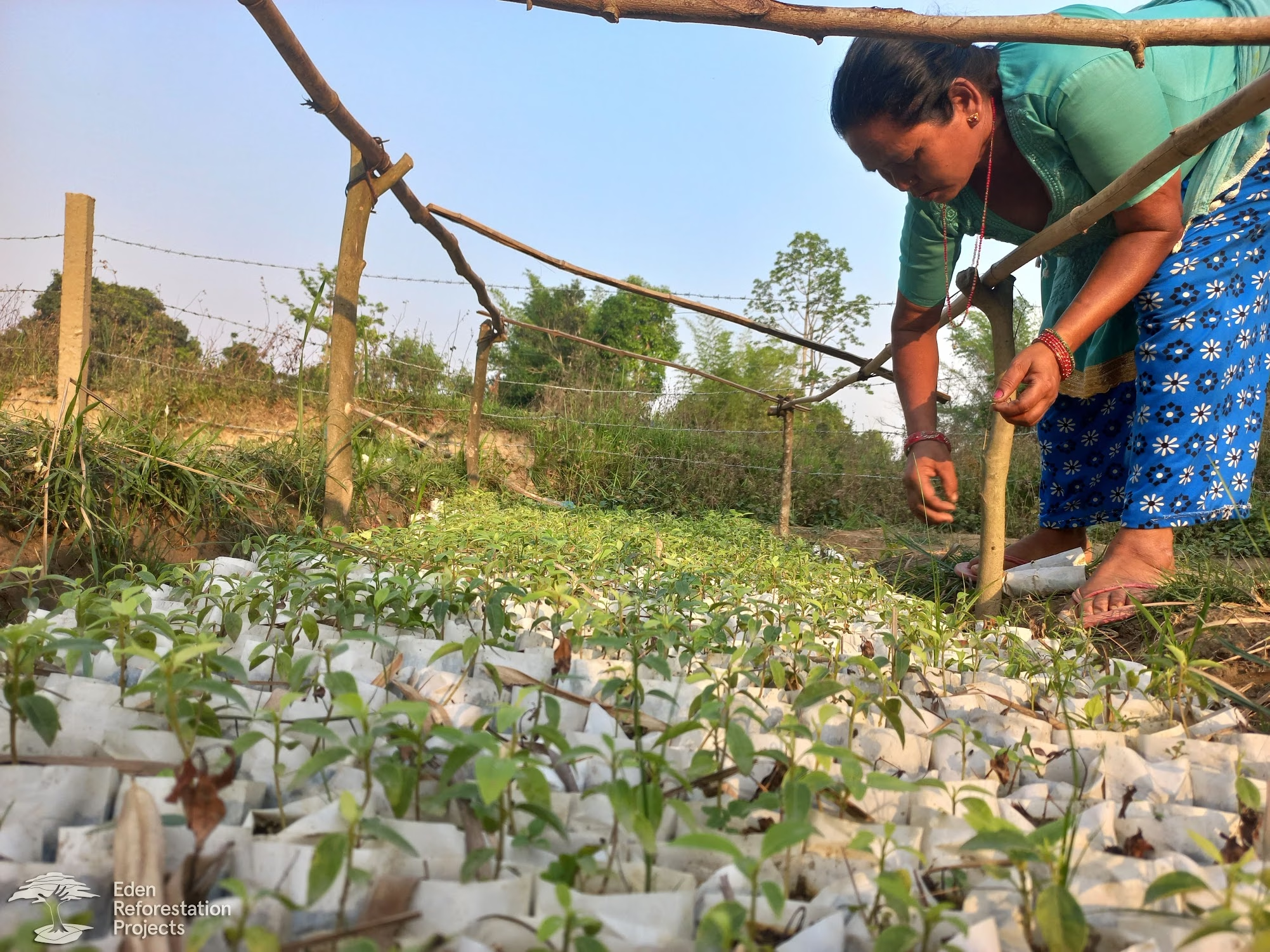
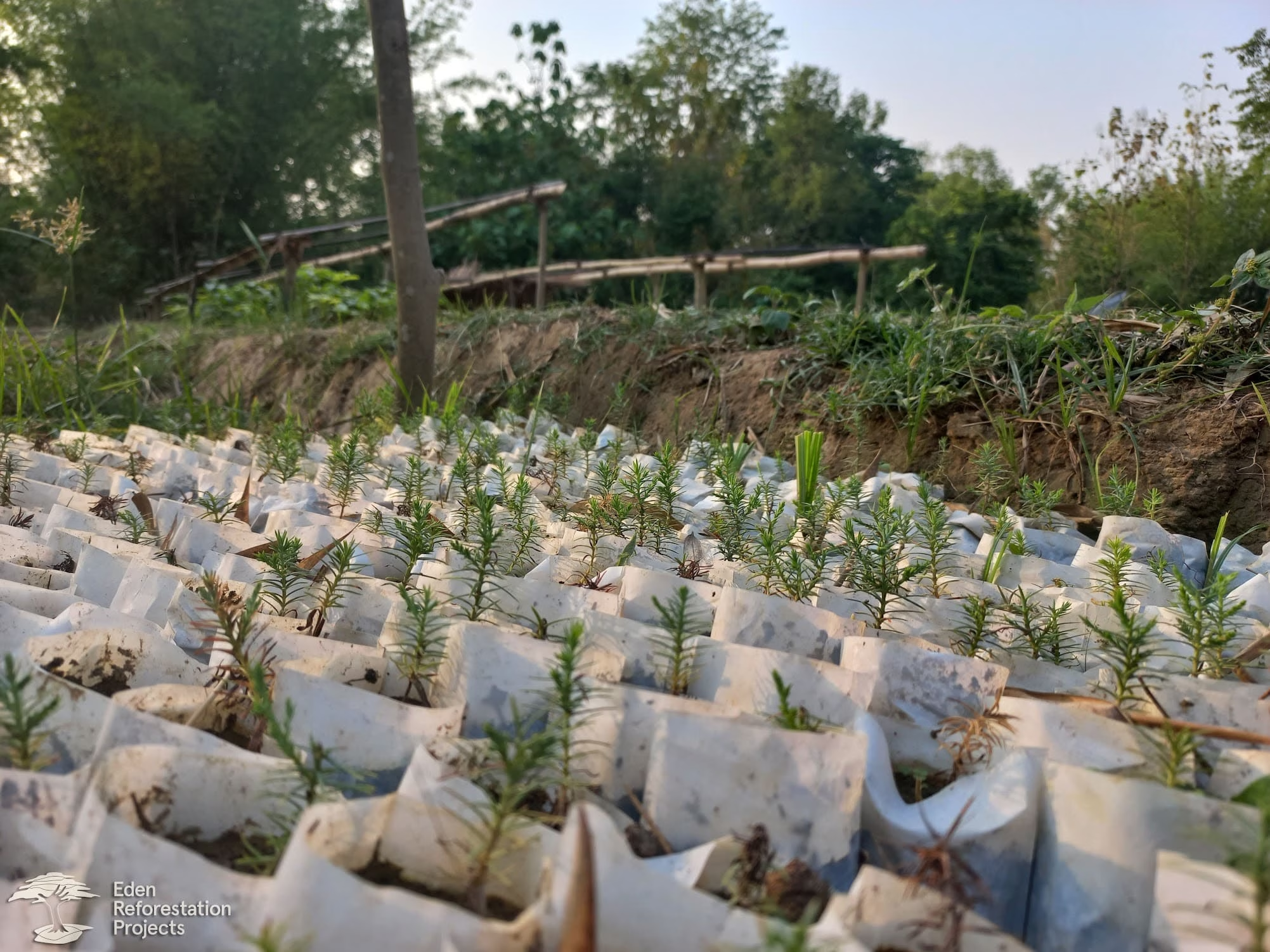
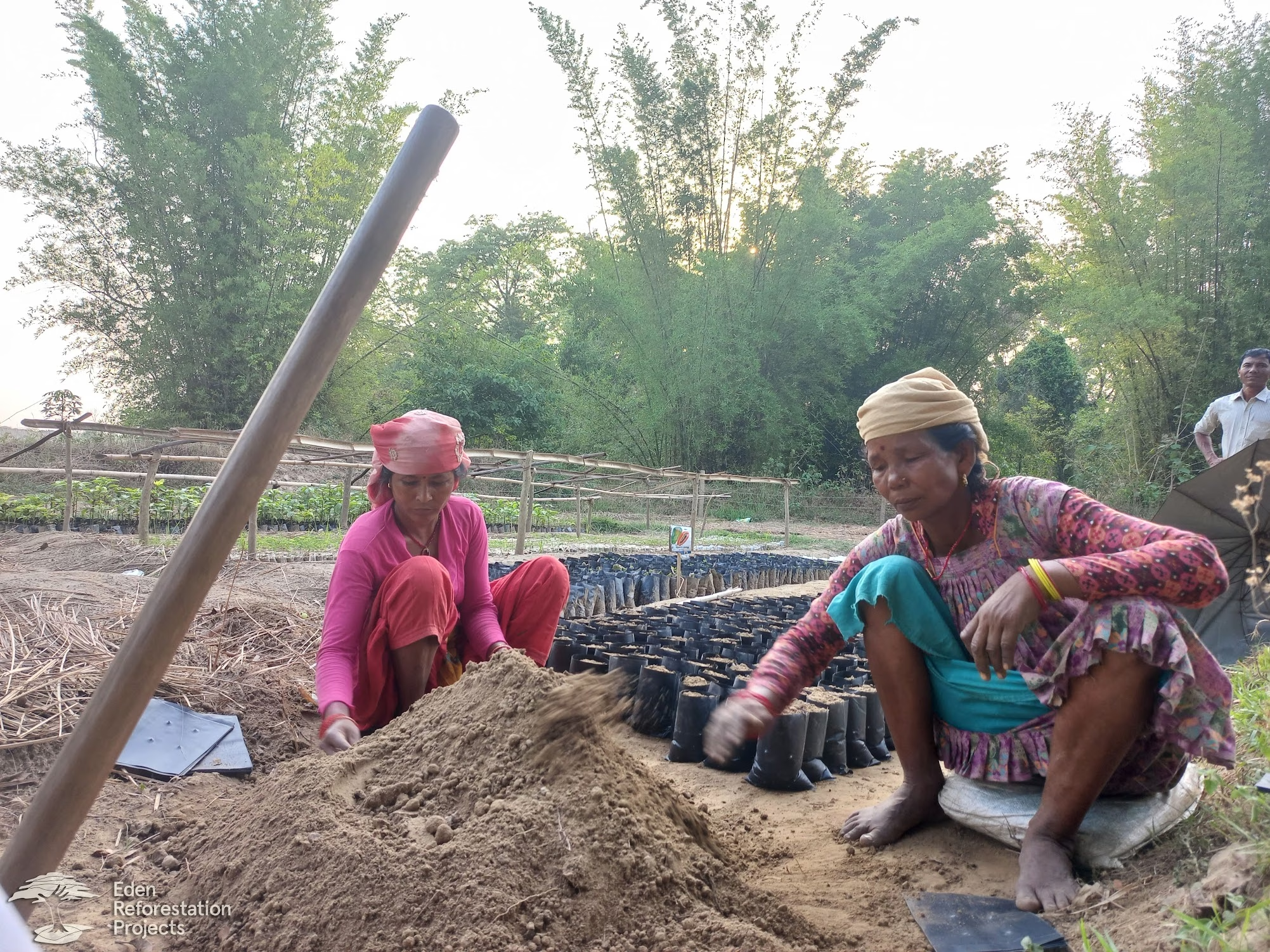
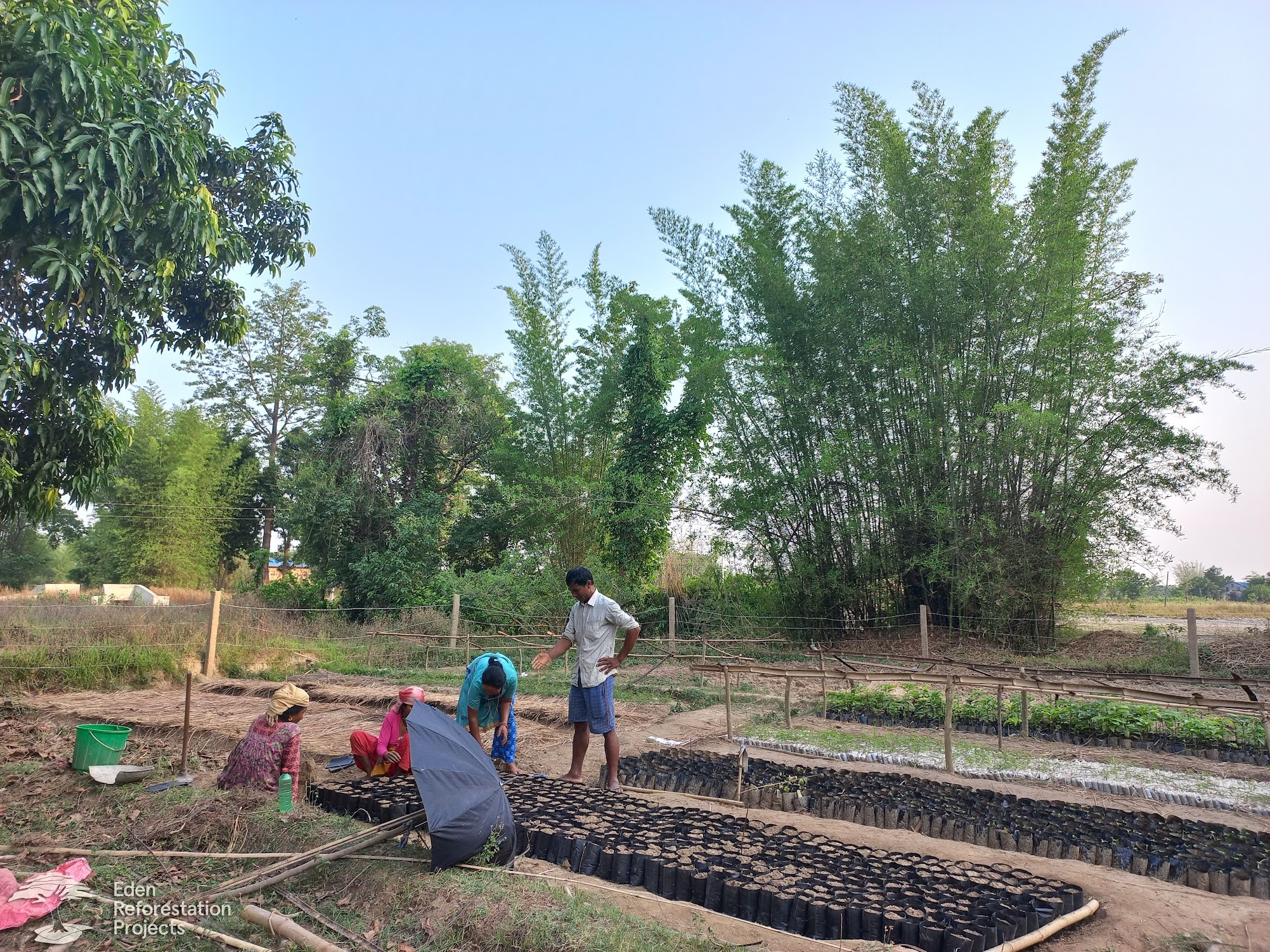
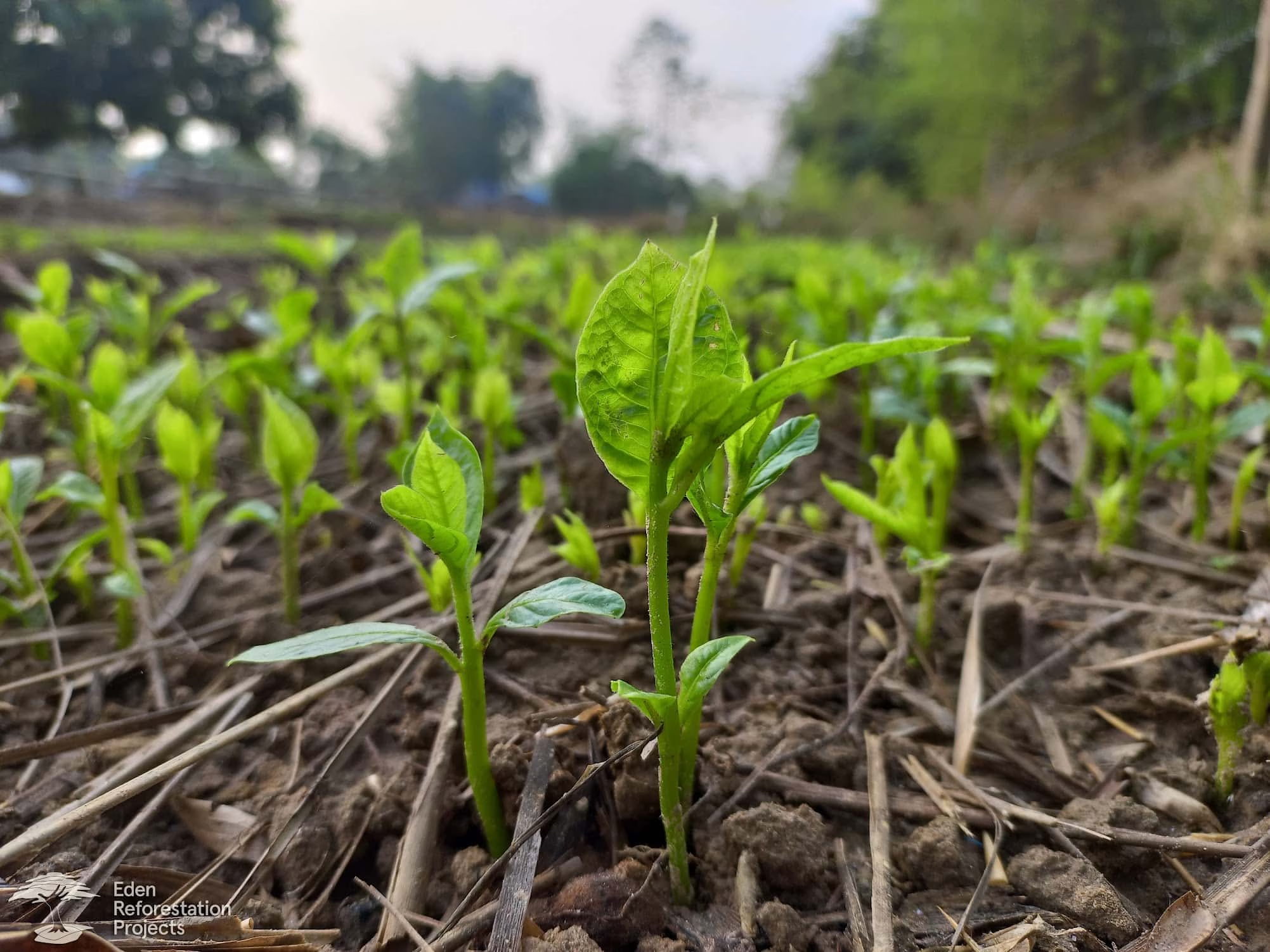
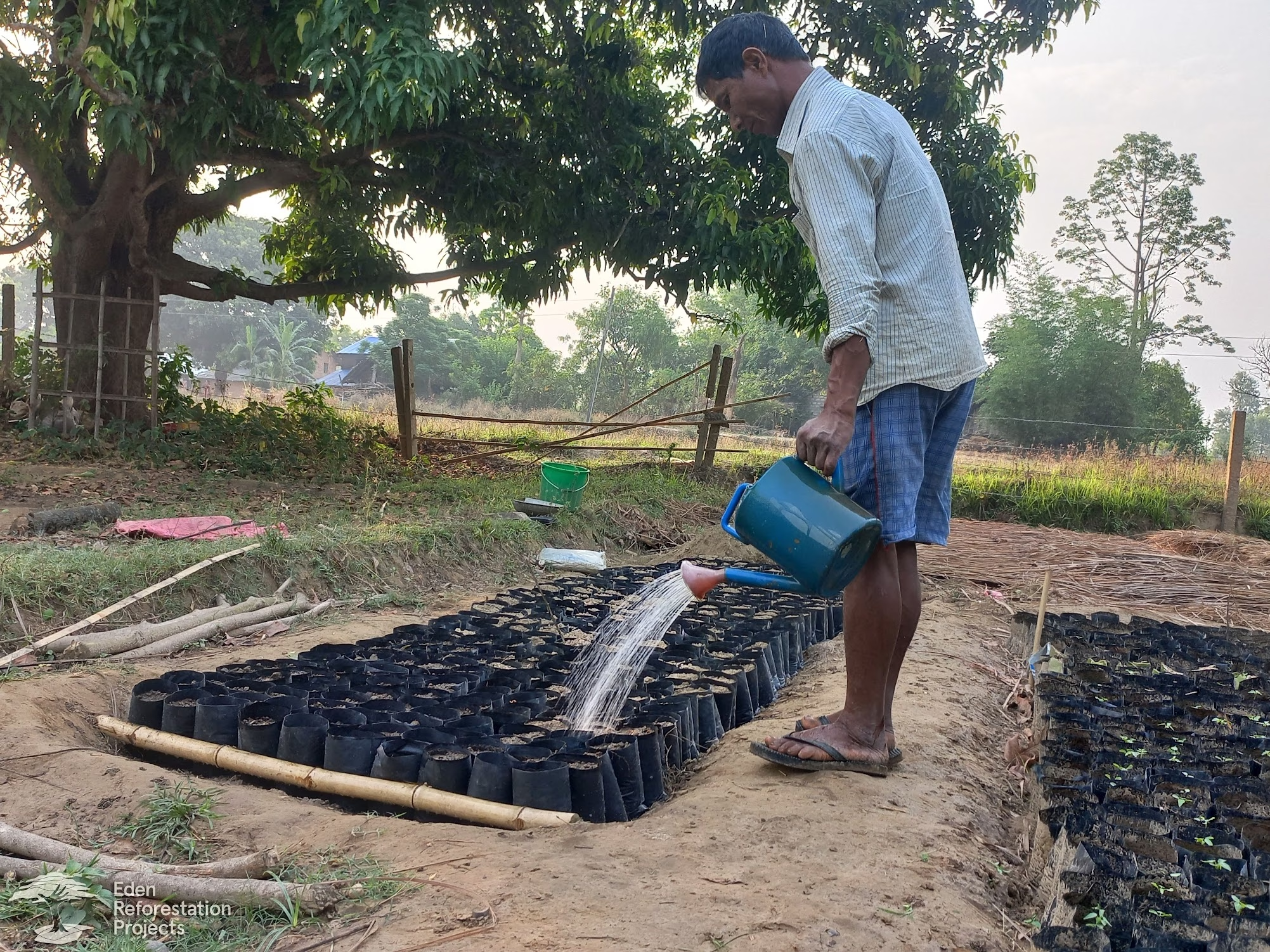


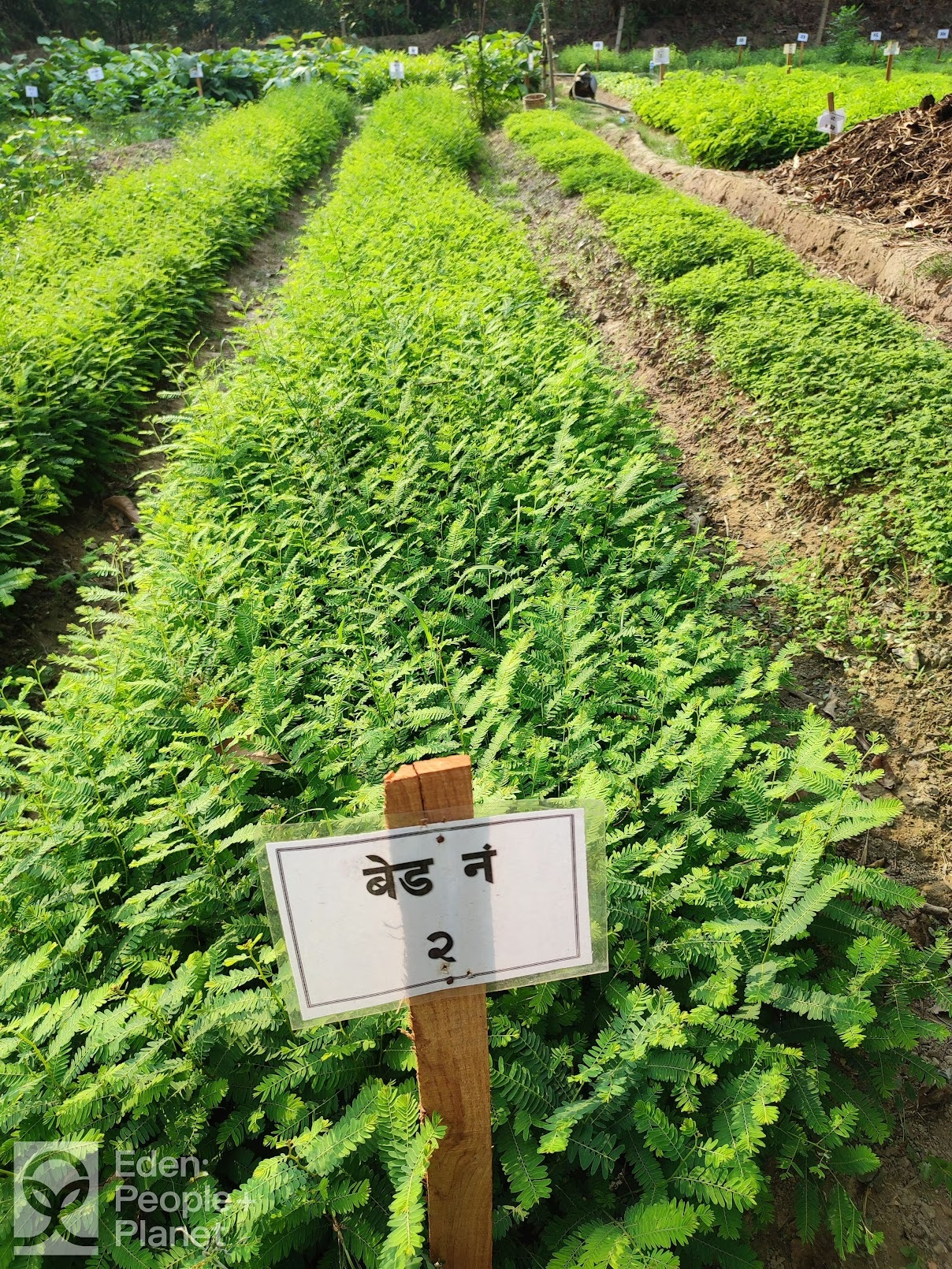
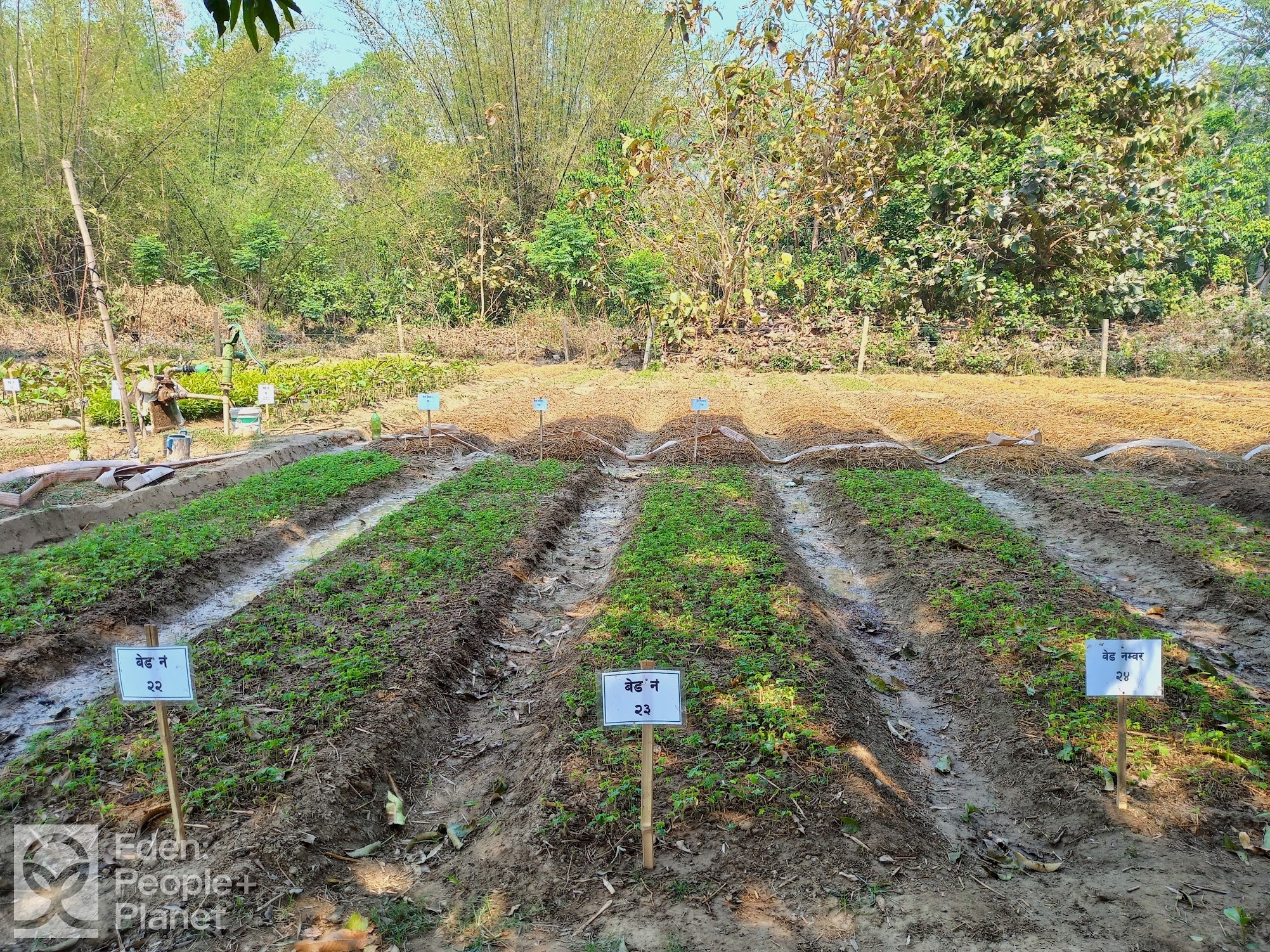
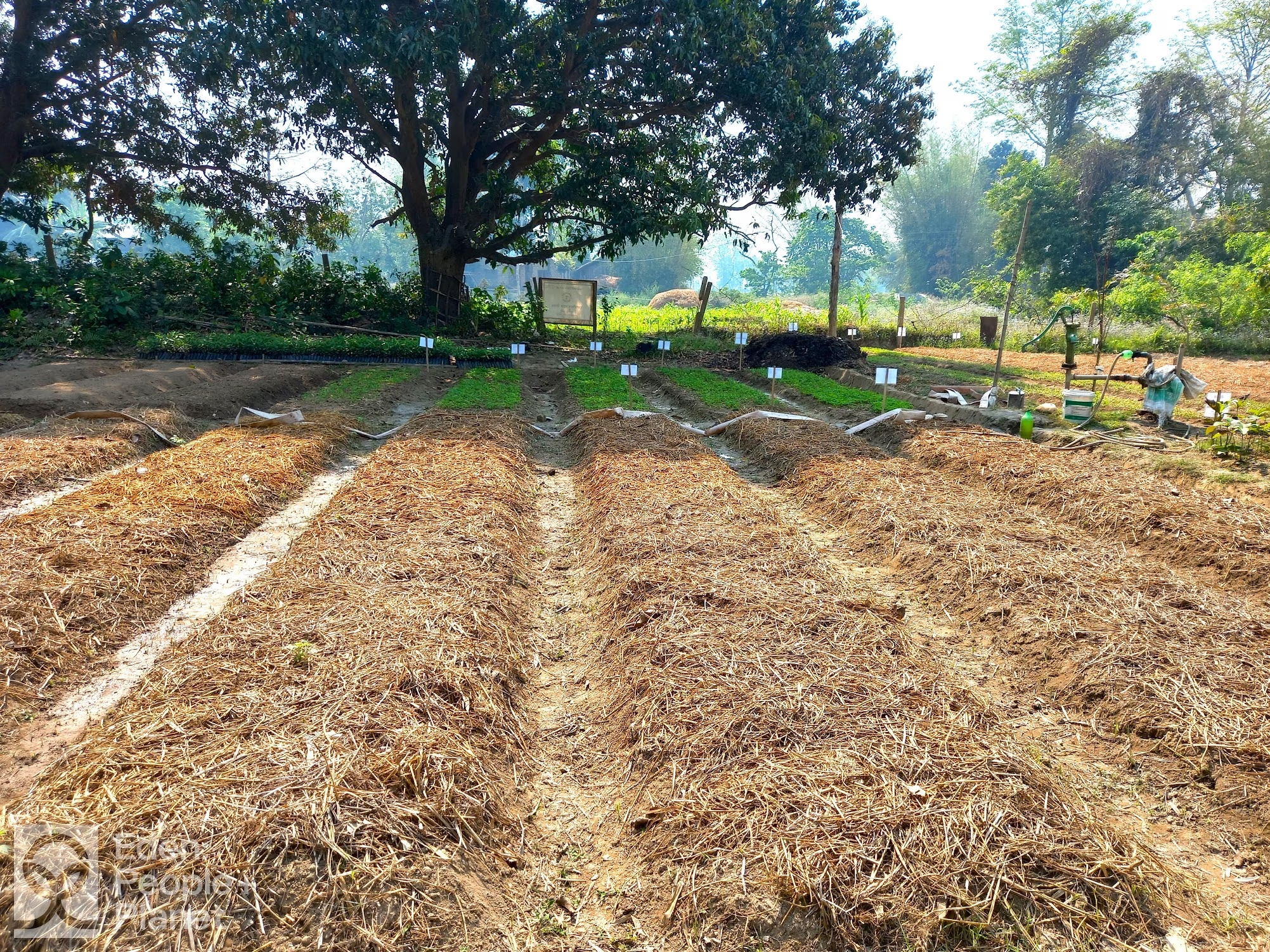
Jodhipur, Nepal
The Eden Project in Nepal
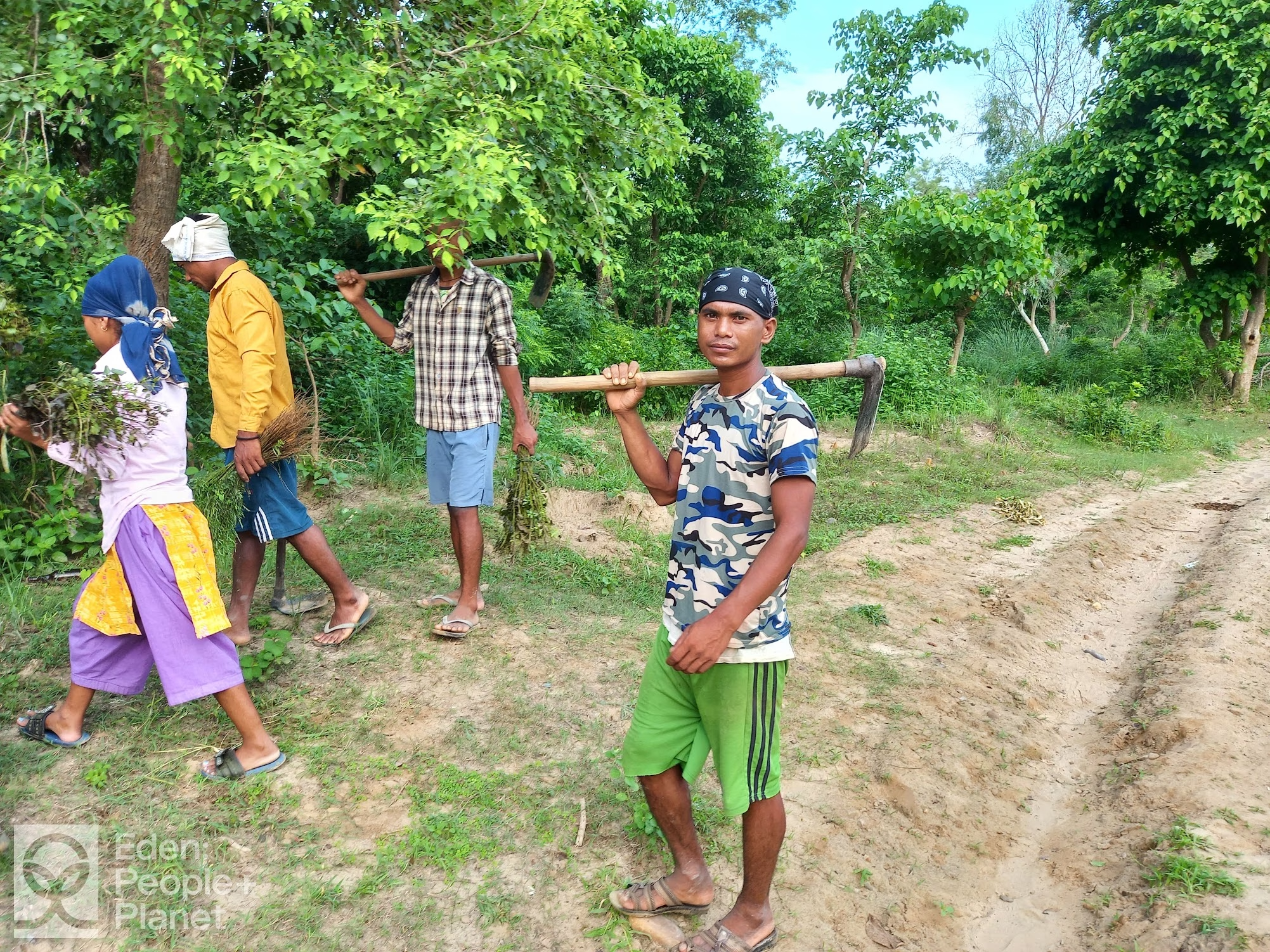
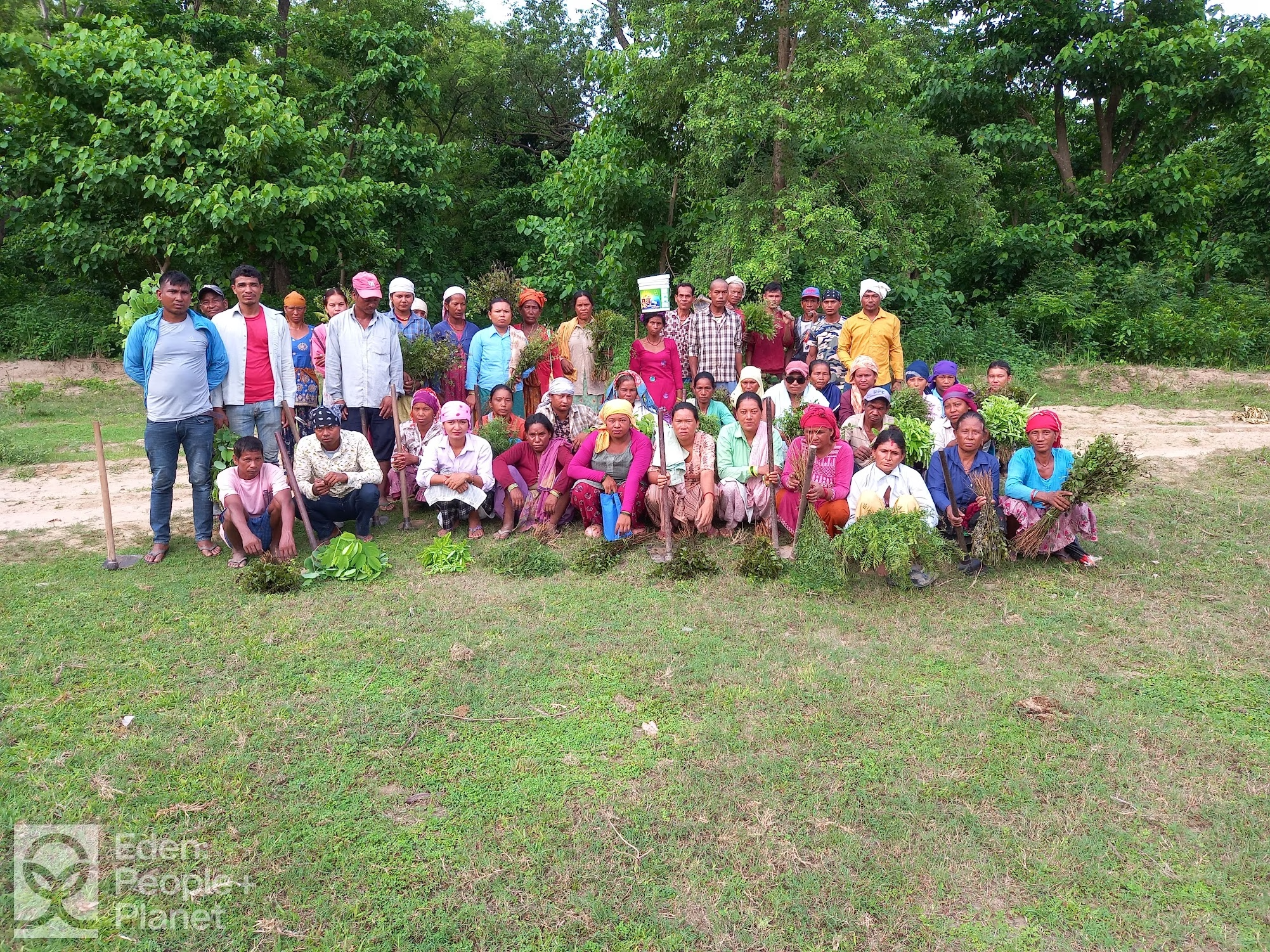
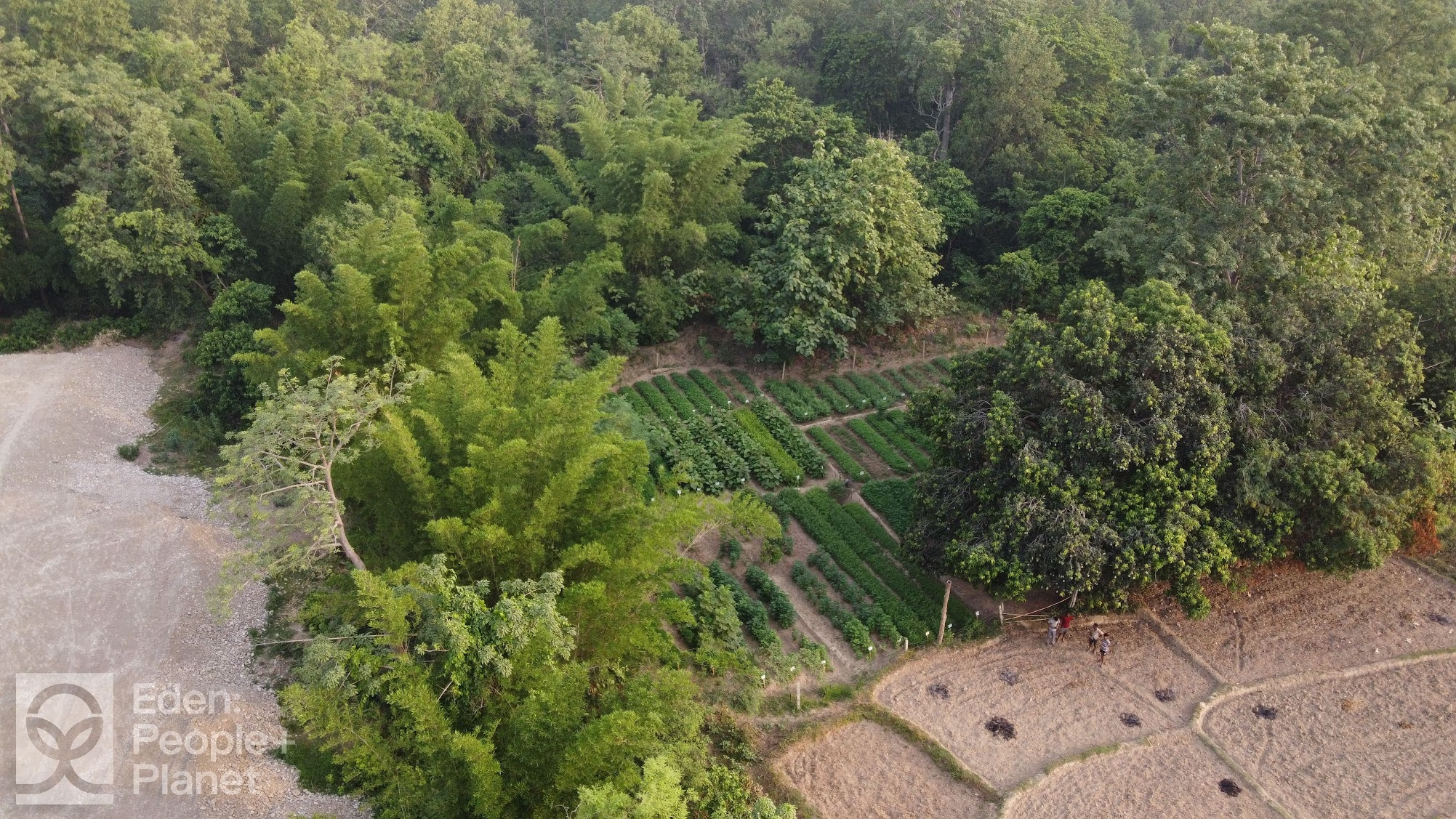
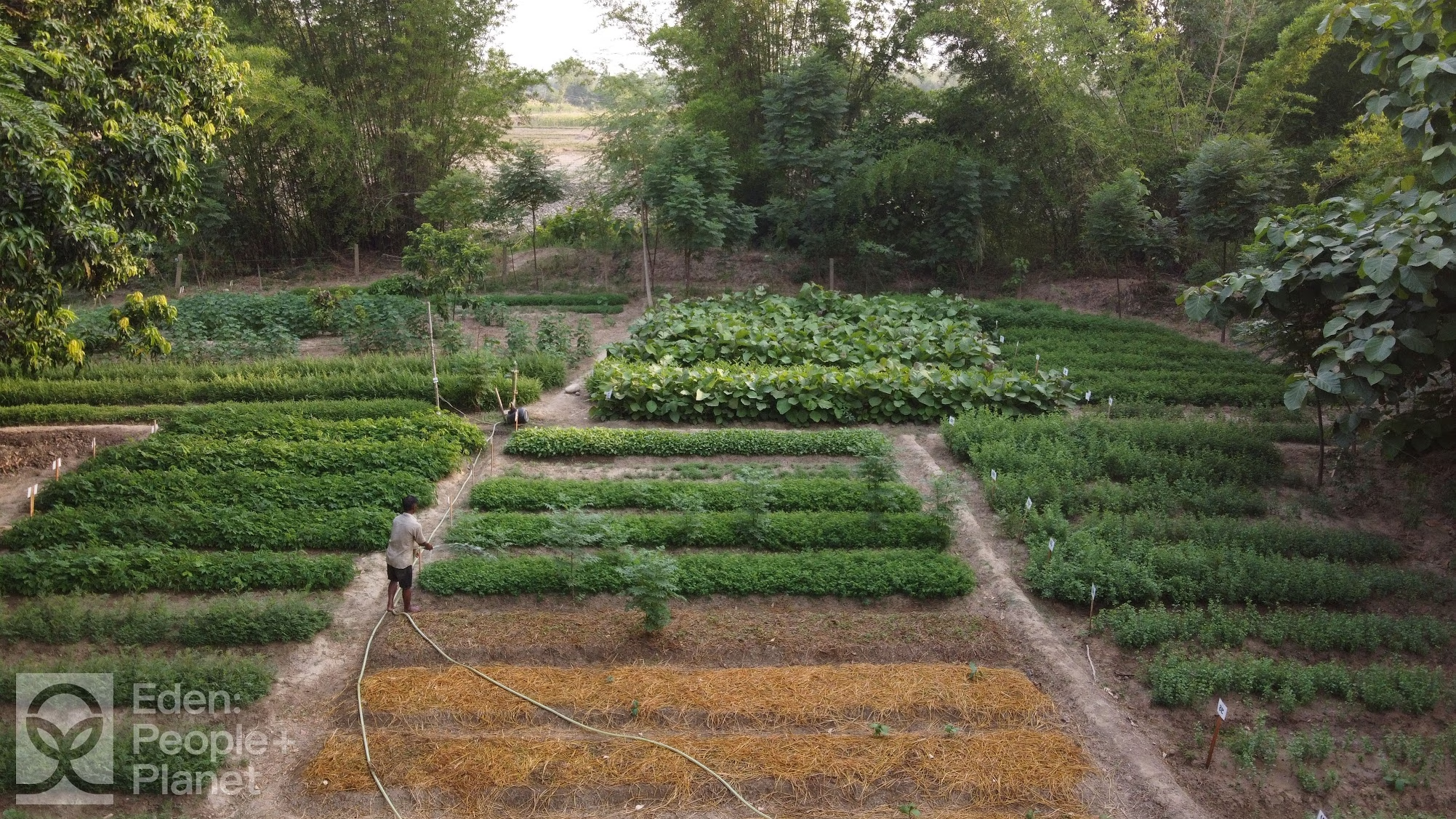
In April 2024, the project, together with other partners, assumed responsibility for the 494-hectare Jodhipur area in Nepal. It lies on the banks of the Babai River and borders directly on Bardiya National Park—one of the last refuges for wild elephants, Indian rhinoceroses, and the Bengal tiger. On the edge of the national park, the natural rainforests have been heavily fragmented; the local population uses the remaining forests for firewood as well as for medicinal and food plants for themselves and their animals.
Deforestation has led to flooding, soil erosion, and declining crop yields. Eden is therefore planting a wildlife corridor along the riverbank to create connected habitats for native wildlife. At the same time, the project is improving the economic situation of the Tharu, a disadvantaged indigenous group in the country that makes up the majority of the local population. The Be the Change Foundation has committed to funding the planting of at least 50,000 trees in Jodhipur by the end of 2024.
Trees for Change
“For millennia, it was normal for us humans to take from the Earth without giving anything back. The escalating ecological crisis that our behavior has caused is a clear sign that our relationship with the Earth must change. It is time to grow up and recognize the consequences of our actions. This realization marks a turning point. It is the moment when a new, mature love can awaken in our hearts. It allows us to see the wounds, the traces of destruction, and a natural desire arises to help heal them. With this comes a longing for a new human identity: “What if, as human beings, we were no longer a destructive presence on this planet, but rather a healing, life-affirming one?”
Trees for Change
Scenes from the planting areas
Nepal Project
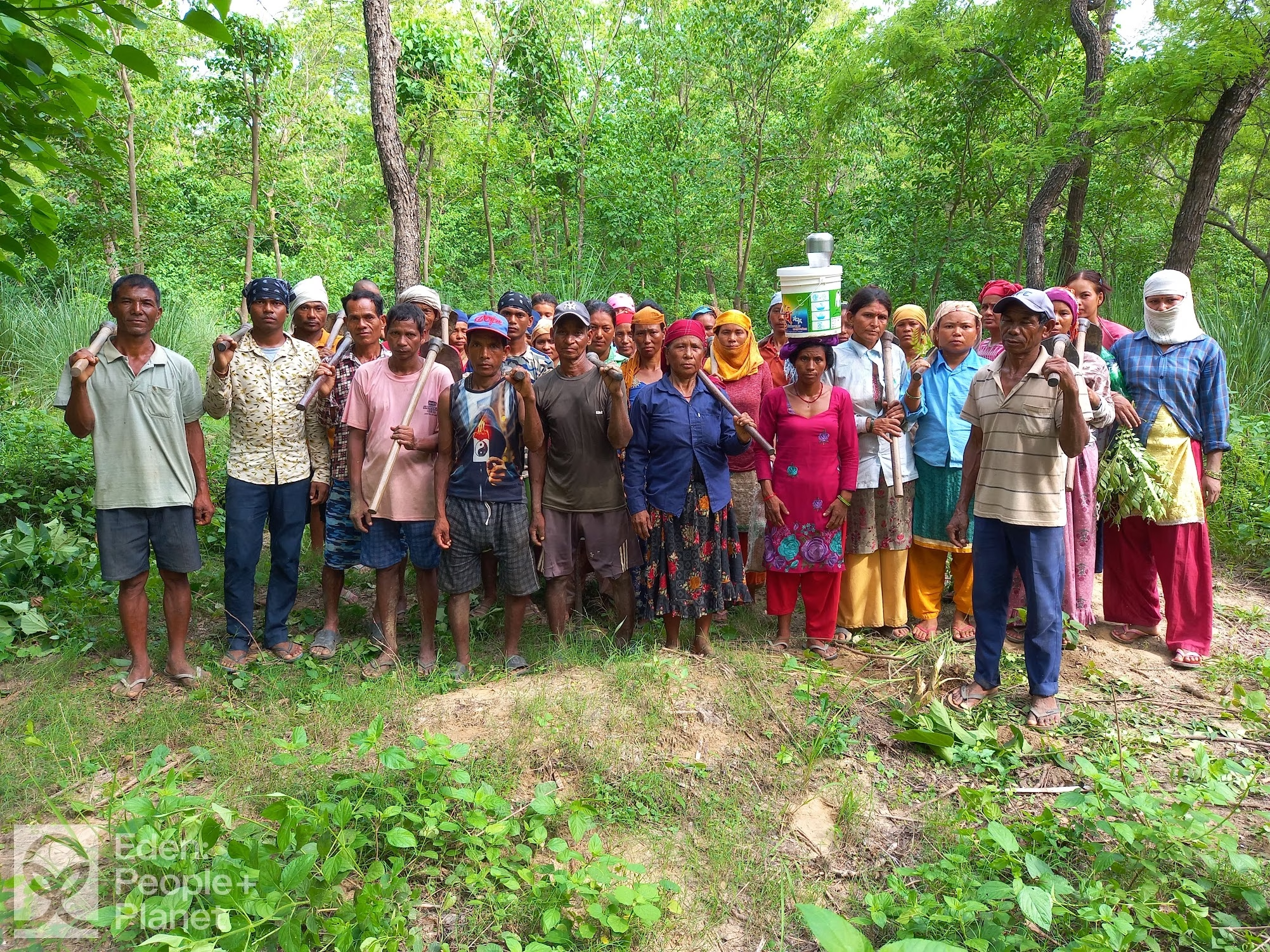
Kenya Project